
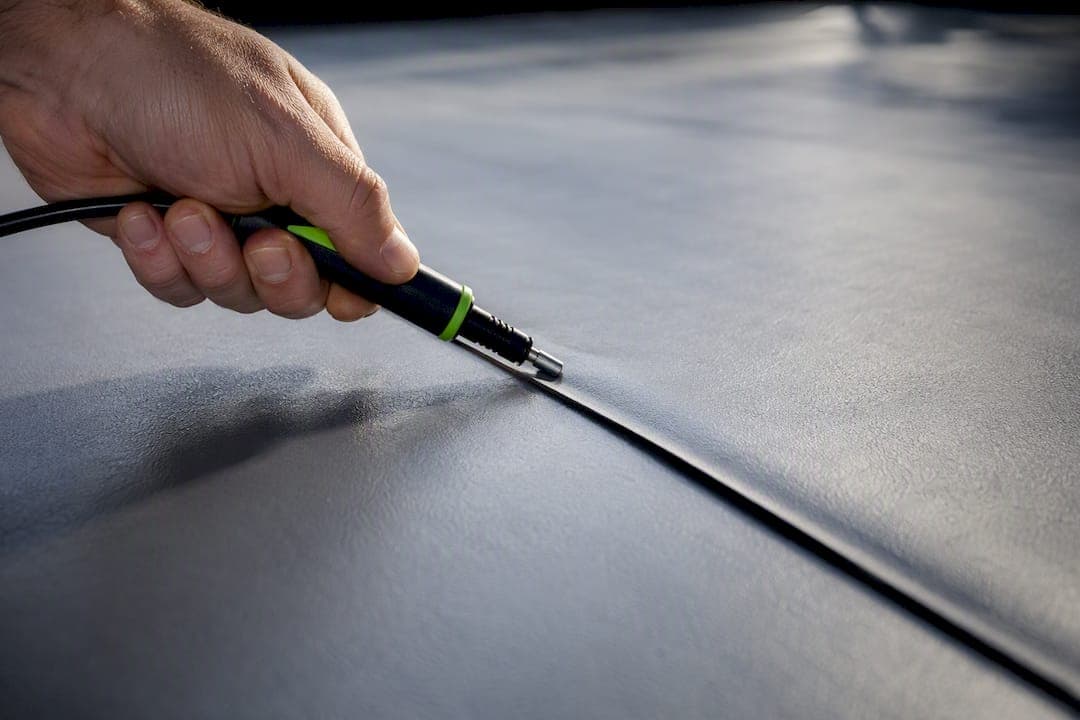
TPO is a recommended, energy-efficient membrane for residential flat or low-slope roofs, and it holds up well when specified and installed correctly. The single caveat that decides everything: welded seams and installation quality, not the material itself, determine whether that roof lasts 10 years or 30. Specify at least a 60-mil membrane and hire a certified installer who probe-tests every seam.
TL;DR:
- Proper installation, including seam probe-testing and certified contractors, is crucial to achieving a 20- to 30-year lifespan for TPO roofs.
- Thicker membranes, such as 80 mils, are better suited for roofs with foot traffic or harsh conditions, while 45 mils tend to fail earlier if not installed correctly.
- TPO's high solar reflectance improves energy efficiency and reduces cooling costs, especially on flat or low-slope roofs in warm climates.
- Common installation issues like cold welds, inadequate seam quality, or ponding water significantly increase the risk of early membrane failure.
- TPO is most effective when chosen and installed based on the roof's pitch, drainage, traffic, and environmental exposure, with certified installers safeguarding warranty coverage.
Table of Contents
- What Is TPO Roofing and How Does It Work?
- What Benefits Does TPO Offer Homeowners?
- What Are the Downsides and Failure Risks of TPO?
- How Is TPO Installed on a Residential Roof?
- What Does TPO Cost and How Long Does It Last?
- TPO vs. EPDM, PVC, and Asphalt Shingles: Which Fits Your Roof?
- How Do You Choose the Right Contractor and Spec for Your Roof?
- What We've Learned Installing TPO Roofs Across Wisconsin
- Get a TPO Roof Built Right the First Time
- Our Take on TPO for Residential Roofs
- Sources
What Is TPO Roofing and How Does It Work?
TPO stands for thermoplastic polyolefin, a single-ply membrane made of layered polymers rolled out in wide sheets and welded together at the seams using hot air rather than glued down with adhesive. That welding process fuses adjoining sheets into essentially one continuous surface, which is why TPO seams typically outperform older sealant-based systems at resisting water intrusion.
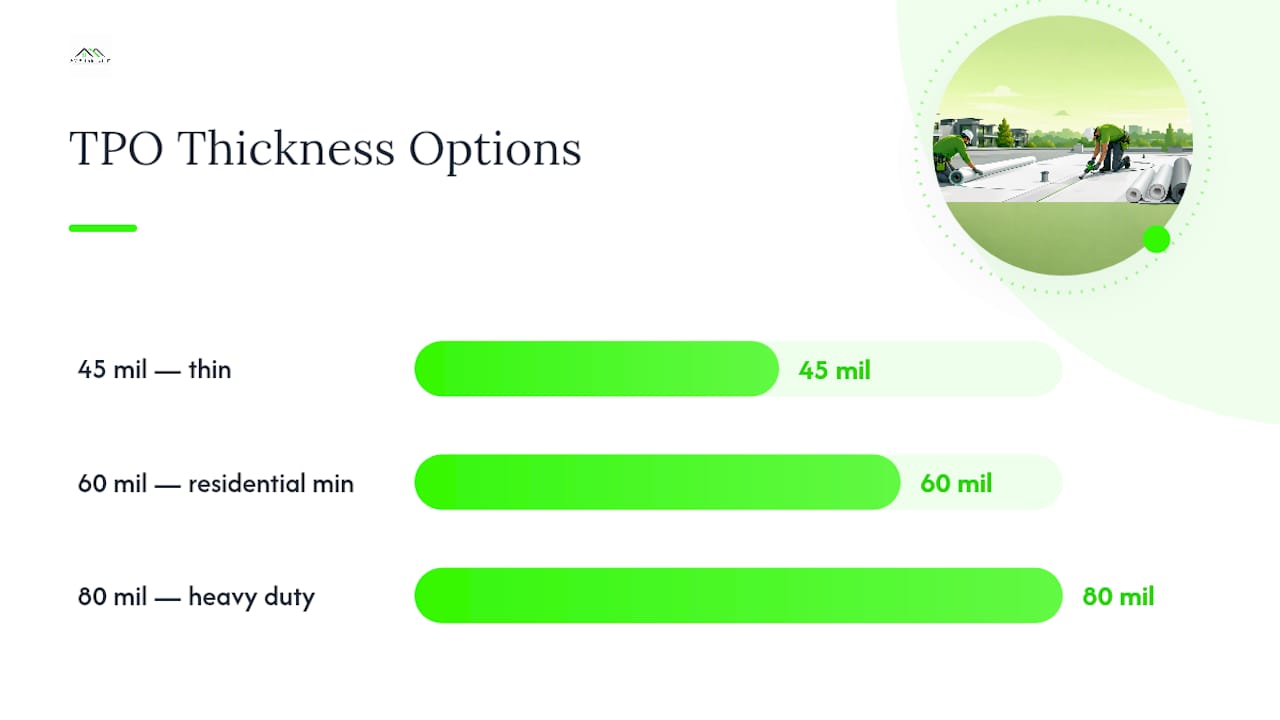
Manufacturers sell TPO in a few standard thicknesses, measured in mils:
- 45 mil: the thinnest common option, lowest cost, shortest expected service life
- 60 mil: the practical minimum for most residential jobs, balancing cost and puncture resistance
- 80 mil: heavier duty, better suited to roofs with foot traffic, mechanical equipment, or harsh sun exposure
Thicker membranes resist punctures and hail impact better and tend to keep performing longer, a relationship confirmed in KoalatyRoofers' breakdown of TPO thickness and lifespan. Most residential failures trace back to thinner sheets installed by crews cutting corners on welds, not the material failing on its own.
TPO's white or light gray surface also carries a high Solar Reflectance Index, the metric that measures how much solar heat a roof surface bounces back rather than absorbs, which relates closely to principles explained in cold roof vs warm roof: what landlords must know. A high SRI is the technical basis behind every "cool roof" claim you'll see attached to TPO, and it's a real, measurable property rather than marketing language.
What Benefits Does TPO Offer Homeowners?
The reflectivity is the headline benefit, but it's not the only one worth your attention. A white TPO membrane reflects far more solar heat than a dark asphalt roof, and the Department of Energy's guidance on cool roofs confirms that reflective roofing lowers cooling energy use in warmer months. On an attached garage, sunroom, or single-story addition with a flat roof, that translates directly into a less punishing attic temperature and a lower air conditioning bill.
Cool-Roof Payoff: The EPA's research on heat islands shows reflective roofing reduces both building cooling demand and surrounding surface temperatures, a benefit that compounds across a neighborhood of light-colored roofs.
Beyond energy performance, TPO brings several practical advantages homeowners notice over time:
- Seam strength: heat-welded seams create a continuous, monolithic surface rather than a string of glued or taped joints
- Puncture and UV resistance: modern TPO formulations resist chemical exposure, tree sap, and UV breakdown better than older single-ply membranes from decades past
- Lightweight installation: TPO adds far less structural load than tile or heavy shingle assemblies, which matters on additions or garages with lighter framing
- Equipment compatibility: HVAC units, solar mounts, and vent penetrations integrate cleanly with proper flashing detail
- Low routine upkeep: aside from keeping drains clear and staying off the membrane with sharp tools, TPO asks little of homeowners between inspections
Industry sources like Kingspan's overview of TPO membrane benefits also point to TPO's recyclability as a durability and cost advantage compared with PVC in many applications, a point worth remembering when you're weighing environmental impact alongside price.
What Are the Downsides and Failure Risks of TPO?
Every advantage above comes with a matching risk if the installation cuts corners, and seams are where nearly all real-world TPO problems start. A cold weld, where the hot-air gun doesn't reach proper fusion temperature, or a seam contaminated with dust or moisture before welding, creates a weak point that can open up years later under thermal cycling.
Watch for these common failure patterns:
- Cold or incomplete welds: seams that look fused but separate under stress or age
- Thin membrane trade-offs: 45-mil sheets save money upfront but shorten service life, especially on roofs with any foot traffic
- Ponding water: flat roofs without adequate slope or drainage hold standing water, which accelerates membrane stress and seam failure over time
- Rooftop traffic damage: HVAC technicians, cable installers, or anyone walking the roof without walkway pads can puncture or abrade the membrane
- Soiling and reflectivity loss: dirt and organic buildup gradually dull the white surface, cutting into the cool-roof energy benefit
Pro Tip: Ask your contractor how they document seam welds during installation. A crew that photographs and logs probe-test results on every seam is protecting your warranty as much as your roof.
Roofs with heavy equipment loads or frequent maintenance access should specify the 80-mil membrane and reinforced walkway pads at all access routes.
How Is TPO Installed on a Residential Roof?
Three attachment methods dominate residential TPO work, and the right one depends on your roof's deck, wind exposure, and how it's used:
- Mechanically attached: the membrane is fastened through insulation boards into the deck, then seams are welded; this is typically the least expensive method and works well on most standard residential roofs
- Fully adhered: membrane is bonded to insulation with adhesive across the entire surface, giving a smoother look and better wind uplift resistance, at a higher cost
- Induction welded: plates are welded to the membrane from below using electromagnetic induction, avoiding surface penetrations entirely; this method performs best on complex roofs or high-wind zones
Paradigm Roofs notes that mechanically attached systems generally cost less than fully adhered or induction-welded systems, which is worth factoring into your budget conversation before you assume the cheapest bid is the best value.
Underneath the membrane, polyiso insulation boards provide the R-value that keeps your attic space comfortable and give the deck a flat, stable surface for welding. Quality installers tape or fasten boards tightly to avoid soft spots that stress seams later.
A few installation details separate a lasting roof from a problem roof:
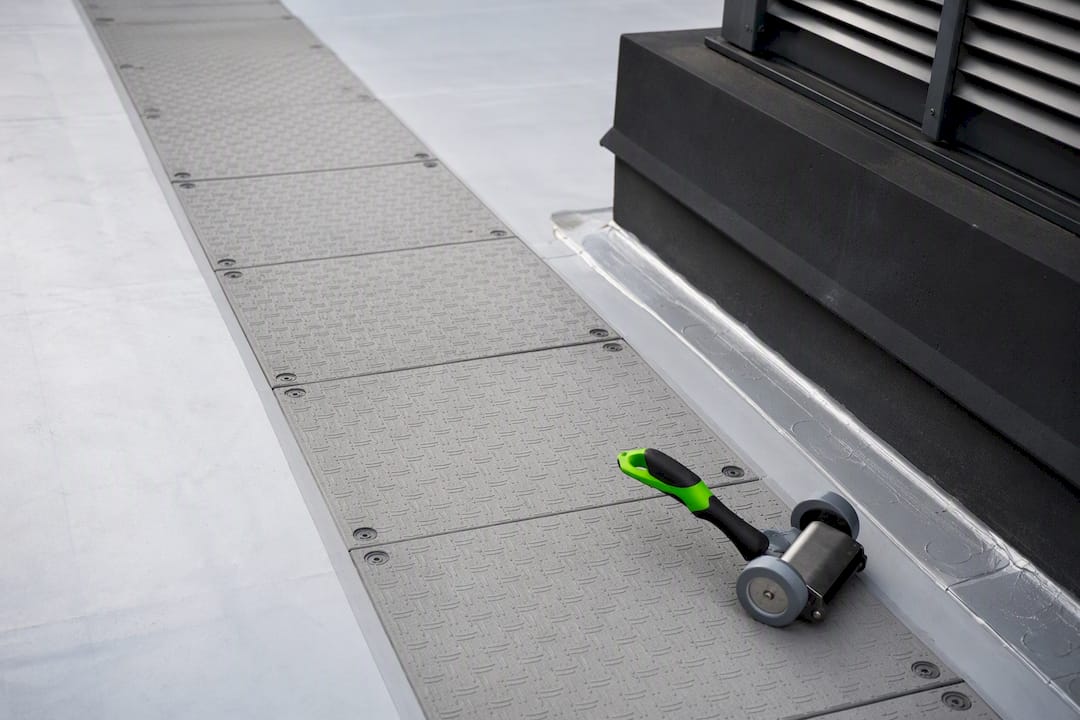
- Seams get probe-tested with a blunt tool to confirm full fusion, not just a visual check
- Robotic welders on long, straight seam runs reduce the human error that causes cold welds
- Flashing at penetrations, walls, and drain outlets gets the same attention as the field seams
- Certified installers carry manufacturer-backed warranties that lapse if an uncertified crew touches the roof
What Does TPO Cost and How Long Does It Last?
Installed TPO typically runs into a moderate per-square-foot range on residential projects, with tear-off condition, insulation thickness, and attachment method driving most of the variance. A straightforward mechanically attached system over a simple deck costs less than a fully adhered or induction-welded system on a roof with multiple penetrations and equipment.
Lifespan by Thickness: Properly installed 60-mil TPO with certified, probe-tested seams commonly reaches 20 to 30 years of service life, while thinner 45-mil membranes installed by uncertified crews often fail well before that range.
Build your maintenance routine around these recurring tasks:
- Biannual inspections: check the roof each spring and fall for seam lift, debris buildup, and membrane wear near penetrations
- Drain and scupper cleaning: clear debris after storms and before winter to prevent standing water
- Seam and flashing checks: look for lifted edges, visible gaps, or discoloration that suggests a weld has begun separating
- Traffic control: keep foot traffic to designated walkway pads whenever HVAC service or gutter work is scheduled
Warranty terms deserve a close read before you sign anything. Manufacturer warranties on TPO typically cover material defects for a set term, but many require an installer to hold current certification for that specific product line, and improper attachment or unauthorized repairs can void coverage entirely. If you're comparing this against the lifespan of an asphalt shingle roof elsewhere on the house, TPO's warranty structure is more contractor-dependent, which is exactly why installer credentials matter as much as the product spec sheet.
TPO vs. EPDM, PVC, and Asphalt Shingles: Which Fits Your Roof?
Every low-slope material trades something for something else, and the right choice depends on your roof's shape, climate exposure, and how much equipment or traffic it carries.
- EPDM (rubber roofing): handles cold-climate flexibility better than TPO and resists cracking in freezing temperatures, but its adhesive or taped seams generally don't match the strength of a heat-welded TPO seam
- PVC: offers superior chemical resistance, which matters for roofs near grease exhaust vents or industrial equipment, but it costs more than TPO and is usually reserved for specialized applications
- Asphalt shingles: remain the most common residential roofing material nationwide according to Consumer Reports' roofing buying guide, but shingles rely on gravity and overlap to shed water, a system that fails on anything close to flat. Any roof pitch below roughly 2:12 needs a membrane, not shingles.
For a broader rundown of material trade-offs across low-slope roof types, our guide to low-slope roof options walks through how climate and rooftop use should steer your final decision, especially if you're planning to add solar panels or expect heavier foot traffic for maintenance.
How Do You Choose the Right Contractor and Spec for Your Roof?
Run your project through this quick checklist before requesting bids:
- Roof pitch: confirm your roof qualifies as low-slope or flat; anything under 2:12 needs a membrane system, not shingles
- Drainage: verify the roof design directs water to drains or scuppers without leaving flat, low spots
- Rooftop traffic: account for HVAC service, solar installation, or regular maintenance access when specifying membrane thickness
- Cool-roof priority: decide how much your cooling costs and local climate justify paying for reflective performance
Once you're comparing bids, ask every contractor these exact questions: What mil thickness are you specifying, and why? Which attachment method fits my roof and wind exposure? Do you probe-test every seam, and will you document the results? Are your installers currently certified with the membrane manufacturer? What does the warranty actually cover, and what voids it?
Pro Tip: A bid that skips seam-testing details or can't name the manufacturer certification your crew holds is a red flag worth walking away from, regardless of price.
If your roof carries heavy shade, extreme cold-climate flexing, or industrial chemical exposure, ask your contractor whether EPDM or PVC might serve you better than TPO.
What We've Learned Installing TPO Roofs Across Wisconsin
Am-exteriors has spent more than 25 years as an owner-operated exterior contractor, and the pattern holds on nearly every TPO repair call we take: the membrane didn't fail, the workmanship did. We regularly find cold welds, skipped probe tests, and missing flashing detail from previous installs. Our process documents every seam and inspection step, which protects both your warranty and any insurance claim tied to storm damage.
Get a TPO Roof Built Right the First Time
A cool-roof membrane only delivers on its energy savings and seam durability when the crew installing it does the job correctly, and that's the exact gap Am-exteriors closes for homeowners across Southeast Wisconsin. We use certified installers, document every welded seam with probe testing, and back the work with manufacturer warranties that stay valid because our crews meet the certification requirements those warranties demand.
Beyond TPO, we handle the full exterior picture, from roofing, siding, and window services to storm damage claims and gutter repair, so your low-slope roof project fits into a larger plan for the house rather than standing alone. If you're weighing a flat-roof addition, garage roof, or full tear-off, request an inspection through our residential roofing services page and get a written scope that spells out mil thickness, attachment method, and warranty terms before you sign anything.
Our Take on TPO for Residential Roofs
TPO earns its place on low-slope and flat residential roofs when it's installed the way it's supposed to be. The material science isn't the risk. What separates a 30-year roof from a callback in year six is whether the crew probe-tested every seam and held current certification. Insist on both before you sign a contract.
— Heather