
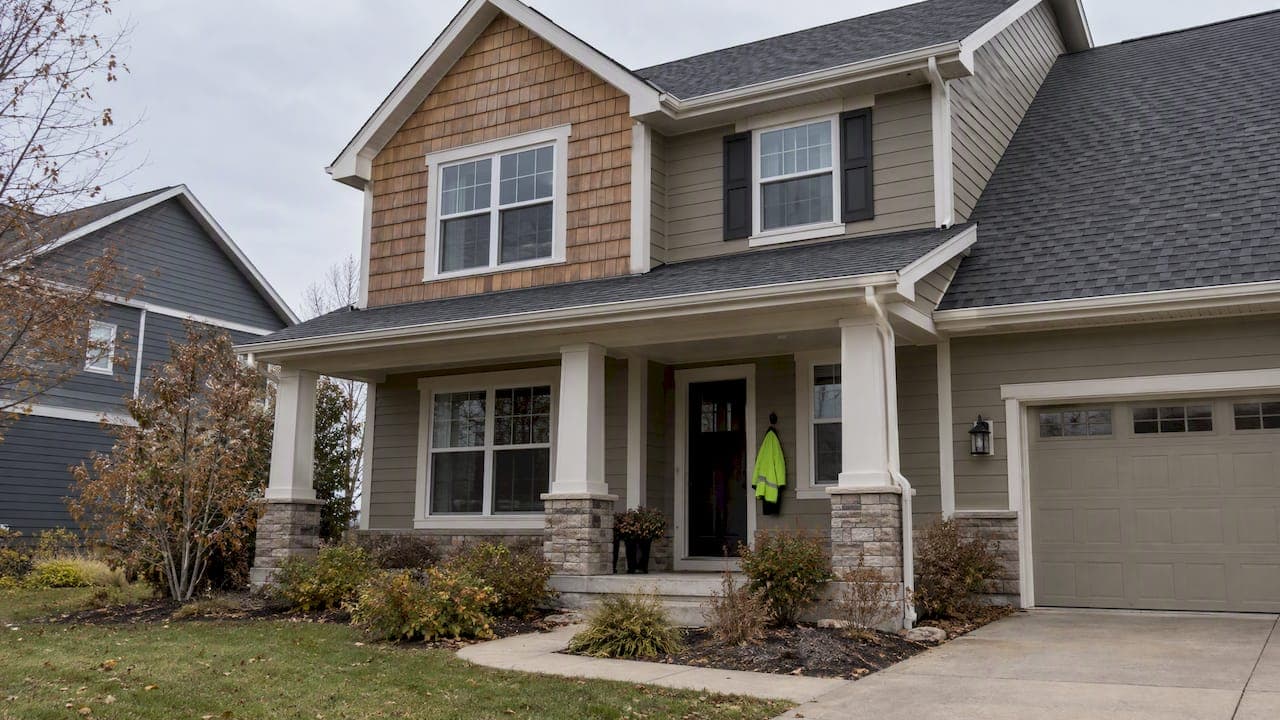
Shake siding accents add depth and shadow lines that elevate gables, dormers, and focal walls, and the material choice (cedar, polymer, vinyl, or fiber cement) changes how much upkeep the accent needs. The one condition that determines whether the look lasts: confirm the water-resistive barrier, flashing, and clearances before any panel goes up.
TL;DR:
- Proper water management through flashing and clearances is critical to prevent shake siding failure, regardless of material choice.
- Polymer and fiber cement shake panels require less maintenance and last longer than cedar and vinyl, especially in harsh weather conditions.
- Shake accents on upper gables, bands, and partial wraps provide visual impact without excessive cost; placement should be proportional to roofline and existing trim.
- Exterior finishes like oil-based stains last longer than waterborne options, but fiber cement and polymer options significantly reduce ongoing upkeep.
- Installation quality, especially regarding flashing and substrate nailability, impacts longevity more than material cost or type.
Table of Contents
- Design patterns that make shake accents work
- Choosing a material: cedar, polymer, vinyl, or fiber cement
- Picking colors that pair with your roof, trim, and field siding
- Where to place accents and how to size them
- The installation details that actually determine performance
- Keeping the finish and the structure sound over time
- Why installation quality matters more than the product itself
- Get a professional estimate on shake siding accents
- FAQ
- Sources
Design patterns that make shake accents work
Shake accents earn their keep when they highlight a specific part of the house instead of covering all of it. A few patterns show up again and again on real projects:
- Gable and dormer focal points: shakes on an upper gable draw the eye up and break the flatness of a large roofline.
- Banded accents: a horizontal band of shakes between floors adds texture without the cost of a full re-clad.
- Partial wraps: shakes on a bump-out or entry wall create a focal point while the rest of the house keeps standard lap siding.
- Mixed materials: pairing shakes with board-and-batten or a stone base is a common craftsman and modern farmhouse combination.
Texture choice changes the effect as much as placement does. Hand-split shakes throw deeper, more irregular shadows and read as rustic. Sawn shakes give a cleaner, more uniform line that suits a tighter, more modern facade. Staggered panel courses add informal movement, while straight courses look more tailored. None of these choices matter much, though, if the panel behind them is not managing water correctly, which is the next question to answer before picking a texture.
Choosing a material: cedar, polymer, vinyl, or fiber cement
Four material families cover most shake accent projects, and each comes with a different maintenance and budget profile.
- Real cedar gives the most authentic grain and color variation but needs sealed butt ends, proper spacing for expansion, and a refinishing schedule to hold its look.
- Polymer or faux shake panels are a common contractor choice for gable and upper-wall accents because they come in long formats, create deep shadow lines, and need far less upkeep than solid wood, according to a cedar shake siding guide.
- Vinyl shake panels are the lowest-cost route to the look, though they weather and fade faster than the other options in direct sun.
- Fiber cement shake panels offer strong fire performance and a long service life, with siding and stone veneer guidance noting fiber cement siding can run 30 to 50 years, but the panels are heavier and take more labor to install.
When deciding, weigh three things: how long you want the accent to last without attention, how much maintenance you are willing to do, and how harsh your local sun, wind, and moisture exposure actually is.
Picking colors that pair with your roof, trim, and field siding
Shake texture deepens whatever color sits on top of it, since the ridges and shadow lines make a single shade look richer than it would on a flat panel. Always test swatches outdoors, in natural light, and from street distance before committing.
- Light, warm tones read as a more authentic cedar look and suit cottage or craftsman styles.
- Medium tones (grays, warm taupes) have the broadest appeal and pair easily with most trim colors.
- Dark tones work best as a bold, intentional accent on a gable rather than across a whole facade.
- Two-tone layouts, shake on the gable with a lighter lap siding on the main body, are a common way to add craft detail without raising material costs across the whole house, per the same cedar shake siding guide.
Coordinate the shake color with your roof shingles and any stone veneer already on the house, then pick a crisp trim color to frame the edges of the accent.
Pro Tip: Hold your shortlisted color samples against the actual roof shingle at midday and again at dusk; shake texture shifts color more under low light than flat siding does.

Where to place accents and how to size them
Placement decisions make or break the final look, regardless of material or color.
- Upper gables and dormers get the most visual payoff because they sit above sightlines and read clearly from the street.
- Bands or partial wraps around an entry or bump-out add texture while avoiding the cost of covering the whole facade.
- Size the accent to the roofline: a steep gable can carry a larger shake field, while a shallow roof needs a smaller, tighter accent so it does not look heavy.
- Reserve full-wrap shake for cottage or heritage-style homes; on a modern build, an accent-only approach usually reads cleaner and more intentional.
Window groupings and wall massing matter too. An accent that stops awkwardly mid-window looks unfinished, so plan the top and bottom edges of the shake field around existing trim lines.
The installation details that actually determine performance
Shake accents fail for water reasons far more often than they fail from the panel itself. USDA Forest Products Laboratory guidance is direct about this: appearance comes after water management, and incorrect flashing, clearances, or drainage paths cause failures even when the cladding looks correct on installation day.
A written scope of work should cover these items specifically, as detailed in the common residential roof repair types guide:
- Weather-resistive barrier type and how it integrates with flashing at windows, doors, and rooflines.
- Starter course height and keyway spacing, since cedar shakes on sidewalls typically run a 1/8 to 1/4 inch keyway for Number 1 grade Western Red Cedar, per the Cedar Shake & Shingle Bureau Wall Manual.
- Substrate nailability, confirming the wall can hold fasteners securely under the panel.
- Clearances at penetrations like vents, light fixtures, and hose bibs.
One of the most reliable predictors of long-term performance is whether the crew followed documented flashing and drainage details, a point the USDA Forest Products Laboratory manual stresses throughout its installation sections.
Watch for shortcuts: nailing over a weak or spongy substrate, caulking butt joints instead of leaving them to drain, or stretching the exposure beyond spec to save material. Ask for photos of the WRB and flashing before the panels go on, since those layers get covered up fast and are nearly impossible to verify afterward.
Keeping the finish and the structure sound over time
Finish choice sets the maintenance clock. Collated USDA guidance notes that oil-based semitransparent stains generally penetrate the wood better and last longer than many modern waterborne formulas, while solid-color stains and paint sit on top and need more frequent recoating.
- Back-brush stain into the grain rather than spraying and walking away, and seal exposed butt ends before installation.
- Avoid staining or sealing in high humidity or near-freezing temperatures, since the finish will not cure properly.
- Walk the exterior once a year to check flashing, caulking, and any cracked or cupped shakes, and plan to recoat on the schedule your finish requires.
- Polymer and fiber cement accents cut this maintenance cycle significantly since they do not need periodic staining the way real cedar does.
Our cedar shake maintenance guide walks through this inspection routine in more detail for anyone budgeting the first few years of upkeep.
Why installation quality matters more than the product itself
After 25-plus years on roofs and sidewalls across Southeast Wisconsin, the pattern holds: most shake failures trace back to workmanship, not the material. Watch bids for vague language around flashing and WRB scope, missing starter-course detail, and no mention of fastener type. Before signing anything, ask for the flashing plan, the exposure spec, and photo documentation of the water-resistive barrier once it goes up.
— Heather
Get a professional estimate on shake siding accents
We install siding projects using products like LP SmartSide, James Hardie, and polymer shake accents, with an owner-supervised approach on every job. Our scope documents cover the details that actually determine how long an accent lasts.
Every written scope we provide spells out:
- Weather-resistive barrier type and flashing locations at every penetration and transition.
- Fastener type and substrate reinforcement where the accent needs secure nailing.
- Warranty terms for both the product and our installation labor.
If you are weighing a gable accent, a banded section, or a full LP SmartSide or James Hardie install, our siding services page outlines what is included, and you can request an estimate to get a scope built around your home.
FAQ
What is the best vinyl shake shingle siding?
The best vinyl shake option depends on your budget and how much fading resistance you need, since vinyl formats vary in panel thickness and UV stabilizers. Look for a panel with deep shadow lines and a documented warranty on color retention, and compare it against polymer alternatives if long-term fade resistance matters more than upfront cost.
What is the new trend for siding?
Two-tone layouts pairing a shake accent on the gable with lighter lap siding on the main body are a common current design choice, since they add texture and craft detail without the cost of covering the whole house, according to a cedar shake siding guide. Polymer and fiber cement shake panels are also gaining ground as low-maintenance alternatives to real cedar.
What is the least expensive way to side a house?
Vinyl siding is generally the lowest-cost full-house option, with shake accents added selectively on gables or bands to control cost while still adding texture. Reserving real cedar or fiber cement for a small accent area, rather than the whole facade, keeps both material and labor costs down.
How do you install cedar shake siding?
Cedar shake sidewall installation follows specific keyway spacing and double-coursing details, with Number 1 grade Western Red Cedar typically set at a 1/8 to 1/4 inch keyway, according to the Cedar Shake & Shingle Bureau Wall Manual. The underlying weather-resistive barrier, flashing, and starter course matter as much as the shakes themselves, since USDA Forest Products Laboratory guidance ties most failures to water management rather than the cladding.
Sources
- EXTERIOR & INTERIOR (Cedar Shake & Shingle Bureau wall manual)
- Installation, care, and maintenance of wood shake and shingle siding (USDA / Forest Products Laboratory)
- Installation, Care, and Maintenance of Wood Shake and Shingle Siding (InspectApedia / USDA collated guidance)
- Cedar shake siding guide (ProMaterials)