
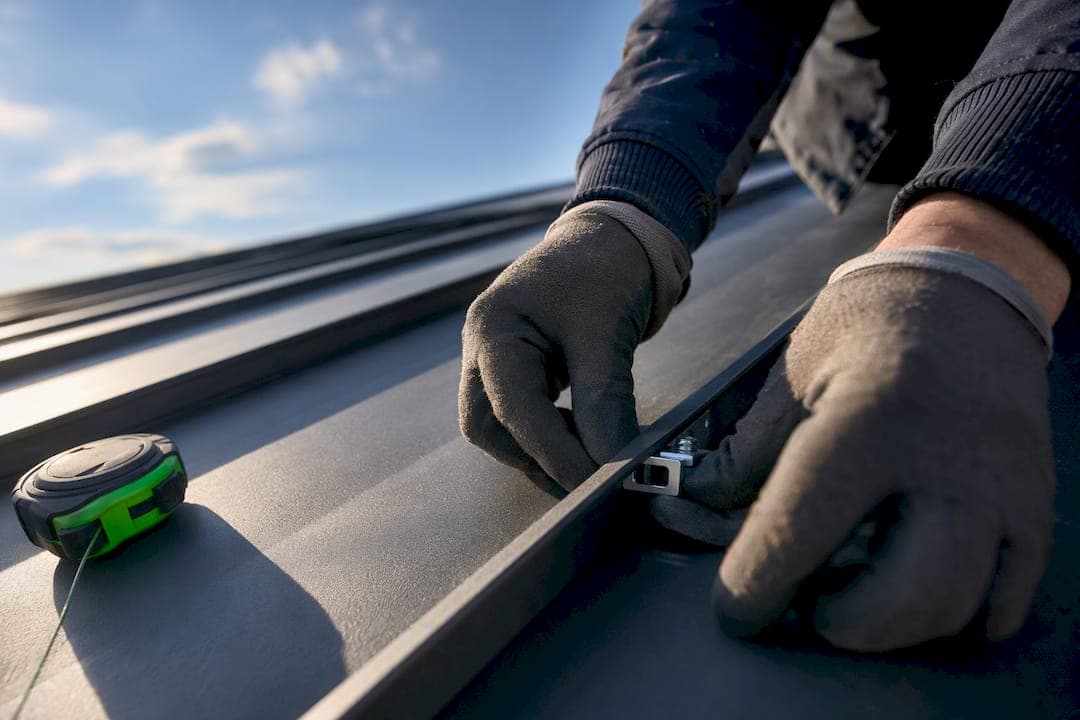
Standing seam metal roofing is a premium trade: a higher price up front for a roof that can outlast asphalt shingles two or three times when a qualified crew installs it. It tends to pay off for owners who plan to stay put, live in wind, snow, or fire-prone areas, and want to stop thinking about their roof for decades. It's a weaker bet for anyone selling within a few years, working with a tight budget, or living somewhere severe hail regularly dents softer metals.
TL;DR:
- The high cost of standing seam metal roofing is offset by its durability of 40 to 60 years, which reduces long-term replacement expenses compared to asphalt shingles.
- Severe hail can dent softer metals like aluminum, especially on wider panels or lighter gauges, and oil-canning is a cosmetic issue more common on lighter-colored or wider panels.
- Proper installation, including flashing and thermal movement handling, is critical for longevity and leak prevention, making contractor choice more important than material quality alone.
- Climate factors like wind, snow, and wildfire risk significantly influence the suitability and performance of a standing seam roof on your home.
- Insurance discounts in hail-prone areas may help offset the upfront costs, but confirming coverage details with your insurer is essential before installation.
Table of Contents
- What Are the Pros of a Standing Seam Metal Roof?
- What Are the Cons of a Standing Seam Metal Roof?
- Is a Standing Seam Metal Roof Worth the Extra Cost?
- How Does Standing Seam Perform in Hail, Wind, and Snow?
- How Do You Find a Qualified Standing Seam Installer?
- What Maintenance and Warranty Coverage Should You Expect?
- Is Standing Seam Metal Roofing Right for Your Home?
- A Contractor's View on What Actually Determines a Roof's Lifespan
- How AM Exteriors Handles Standing Seam Installations
- Sources
- FAQ
What Are the Pros of a Standing Seam Metal Roof?
The biggest advantage is what you don't see. Standing seam panels lock together with concealed fasteners hidden under raised seams, which removes the exposed screw holes that cause most metal roof leaks over time. That design, combined with correct installation, is why properly installed systems commonly last 40 to 60 years or more, roughly double or triple a typical asphalt shingle roof.
Reflective finishes add a second, less obvious benefit. The EPA's cool-roof research found that reflective roofing can cut peak residential cooling demand by 11% to 27%, a real difference in a Wisconsin summer when your air conditioner is working overtime.
Other advantages stack up quickly:
- Steel and aluminum panels are noncombustible, which matters in wildfire-adjacent regions and can help with insurance underwriting.
- Metal roofing is highly recyclable at the end of its service life, unlike shingle tear-off headed to a landfill.
- Standing seam's clean, linear profile boosts curb appeal and often shows up as a selling point in real estate listings.
- Fewer roof replacements over a 30 to 50 year ownership window means fewer disruptions, less debris, and less risk of storm damage during the gap between roofs.
Pro Tip: Ask your contractor for the panel's Solar Reflectance Index rating before you pick a color. Darker finishes still perform better than asphalt, but lighter cool-roof coatings deliver the biggest cooling savings.
What Are the Cons of a Standing Seam Metal Roof?
Cost is the obvious drawback, and it's not a small one. Standing seam sits at the top of the metal roofing category, and the labor alone requires specialized tools and training that most general roofing crews don't have.
Two cosmetic issues surprise first-time metal roof owners. Large hail or falling branches can dent softer metals like standard-gauge aluminum, and oil-canning, the wavy or rippled look you sometimes see on flat panel sections, is a common visual quirk rather than a structural defect. It shows up more on lighter gauges and wider panels.
Noise is the other complaint people bring up, though it's mostly overstated once a roof is built correctly over solid decking and insulation. Rain on a bare metal panel over an open attic sounds different than rain on a fully insulated assembly.
The practical cons worth weighing:
- Higher upfront material and labor cost compared to asphalt shingles.
- Dent risk in severe hail zones, depending on metal type and gauge.
- Oil-canning as a cosmetic issue on certain panel widths and finishes.
- A smaller pool of qualified standing seam installers, which raises the stakes on contractor vetting.
- Some homeowner associations restrict metal roofing or limit approved colors and profiles.
Pro Tip: If noise is a concern, ask your installer whether the panels will sit over solid decking with a synthetic underlayment. That combination absorbs sound far better than panels installed over open purlins.
Is a Standing Seam Metal Roof Worth the Extra Cost?
Consumer cost guides put average metal roof pricing near $10,500 installed, with standing seam landing at the high end of that range. Asphalt shingles cost less upfront, but they typically need replacement every 20 to 25 years, and each of those replacements adds labor, disposal, and material costs that standing seam owners simply skip.
The way to actually compare the two isn't first cost per square foot. It's counting how many shingle replacements you'd pay for over a 40 or 50 year ownership window, then weighing that total against one standing seam installation. Industry cost analyses back this up directly: metal roofs often deliver low lifecycle cost for long-term owners precisely because they avoid that repeat spending. If you want a sense of how often that comparison point comes up, our breakdown of asphalt shingle lifespan is a useful companion read.
A few factors shift the math in your favor:
- Reflective coatings lowering summer cooling costs, per the EPA's cool-roof findings cited above.
- Insurance discounts or credits some carriers offer for impact-resistant roofing in hail-prone counties.
- Manufacturer or utility rebates on qualifying reflective or metal roofing products, which reduce net project cost.
- Financing options that spread the premium over time rather than requiring the full amount upfront.
How Does Standing Seam Perform in Hail, Wind, and Snow?
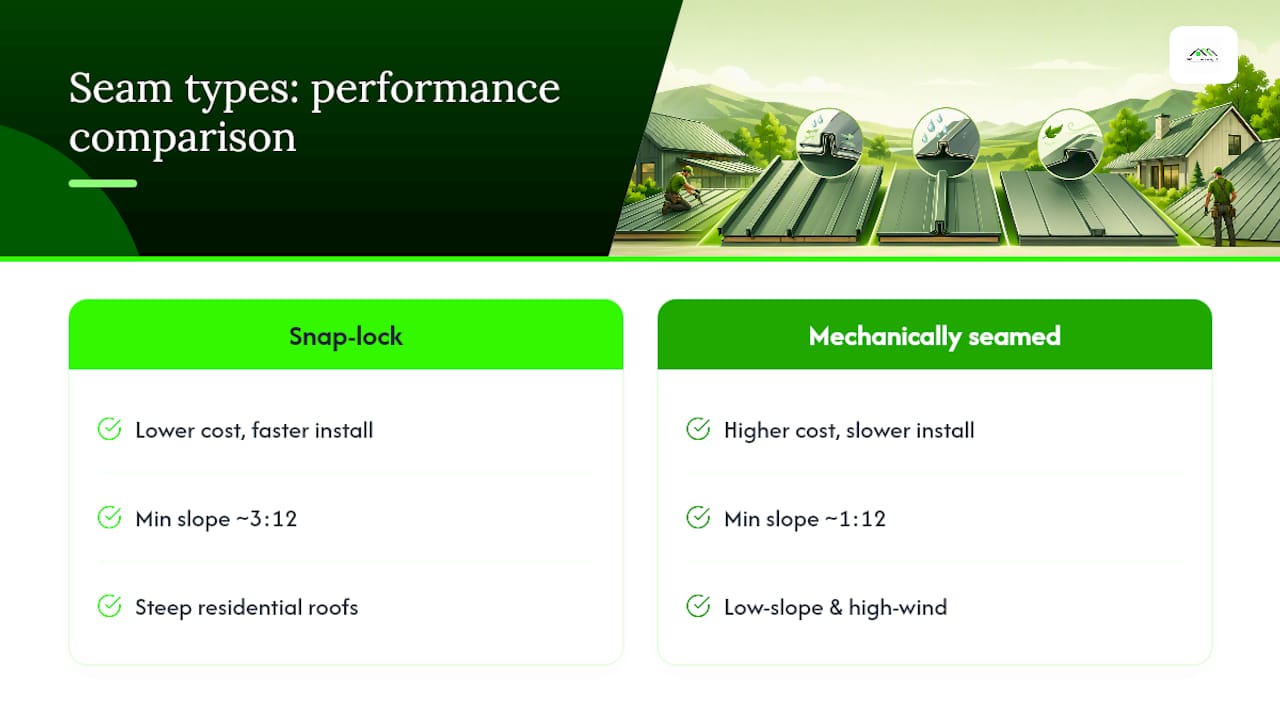
Seam type matters more than most homeowners realize. Snap-lock panels are faster and cheaper to install and work well on steeper residential roofs, but they typically require a minimum slope near 3:12. Mechanically seamed panels cost more to install but can handle slopes as low as 1:12 and hold up better under sustained high wind, which is why mechanically seamed systems are the standard choice for low-slope and high-wind applications.
Hail response depends heavily on metal type and gauge. Steel resists denting better than aluminum at comparable thicknesses, and heavier gauges reduce both oil-canning and dent risk if you're in a region that sees frequent severe storms. A partner resource on how metal roofing resists hailstorms goes deeper into the mechanics if you want the engineering side of it.
Snow tends to slide off standing seam faster than it sheds off shingles, which is good for load but can create dangerous avalanche-style dumps near entryways and walkways unless snow guards are installed. Thermal expansion is the quiet variable behind most long-term failures: metal panels grow and shrink with temperature swings, and engineered clip systems allow that movement without stressing the seams or flashings.
Pro Tip: If you're in a region with wide summer-to-winter temperature swings, ask specifically how the clip system accommodates expansion. A roof that can't move properly is far more likely to develop stress cracks at the flashings within a decade.
How Do You Find a Qualified Standing Seam Installer?
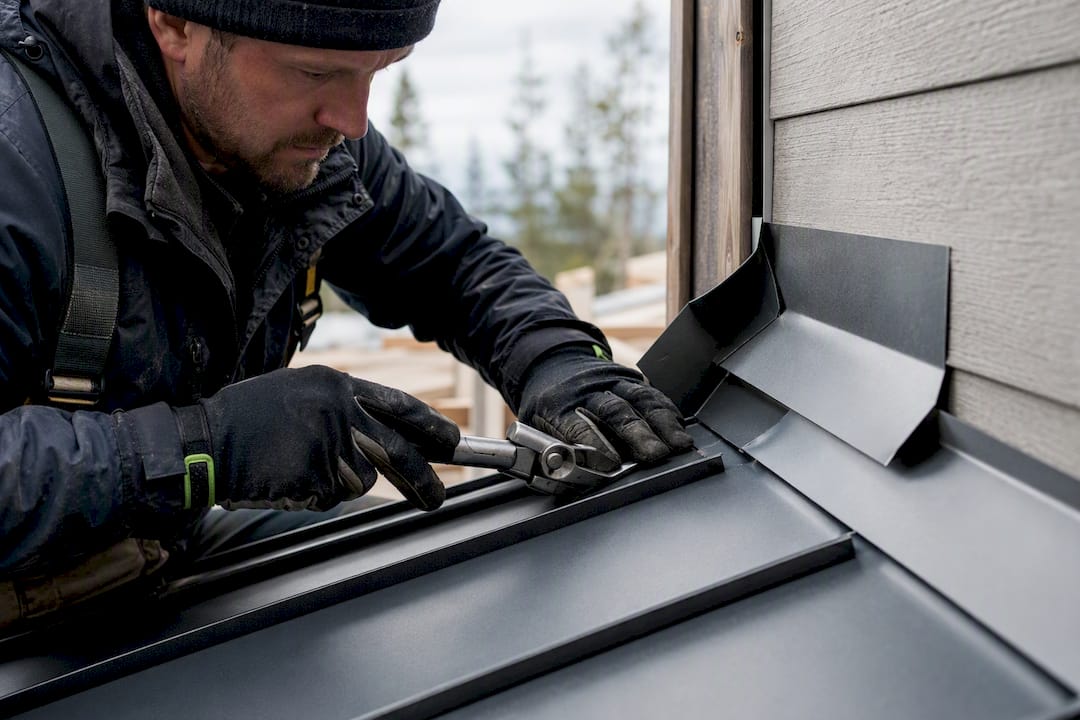
Most standing seam failures trace back to the crew, not the material. Improper flashing work and mishandled thermal movement cause early leaks even on premium panels, which is why vetting your installer matters more here than with almost any other roofing type.
Here's a practical process for finding someone who won't cut corners:
- Ask for local references specifically for standing seam work, not just general roofing jobs. A crew that's replaced a hundred shingle roofs but only a handful of metal ones is still learning on your house.
- Request to see a completed local installation in person. Photos can hide sloppy seam work; a walk-around cannot.
- Confirm experience with your specific seam type, since snap-lock and mechanically seamed systems require different tools and techniques.
- Verify liability insurance and workers' compensation coverage before anyone sets foot on your roof.
- Get written warranties covering material, finish, and workmanship separately, since these three often come from different parties with different terms.
- Review the technical specs in the quote, including panel gauge, seam type, clip spacing, and finish warranty length, before signing anything.
Watch for red flags that signal a risky bid: a price dramatically lower than every other quote, no written warranty, no photo documentation of past jobs, or a contractor who can't clearly explain how they'll handle flashing around chimneys, vents, and valleys. If they can't answer that last question in plain terms, they probably haven't done it enough times to get it right.
Pro Tip: Ask every bidder the same question: "How do you flash a roof-to-wall transition on this panel type?" The vague or generic answers separate themselves from the specific ones fast.
What Maintenance and Warranty Coverage Should You Expect?
Standing seam asks very little of you day to day, but "very little" isn't "nothing." Plan on an annual visual inspection, regular gutter cleaning so water isn't backing up against the panel edges, and a walk-around after any major hail or wind event.
Warranties on metal roofs typically split into three separate coverages, and knowing the difference protects you later:
- Finish warranties cover fading, chalking, or peeling of the paint system, usually for 30 to 40 years.
- Substrate warranties cover the base metal against rust-through or structural failure.
- Workmanship warranties come from your installer, not the manufacturer, and cover leaks or failures caused by installation error.
Cosmetic dents from hail are usually treated differently than functional damage in an insurance claim, so keeping dated photos and any inspection reports after storms gives you a much stronger position if you ever need to file. If hail is a recurring concern where you live, our guide on hail size and roof damage walks through when it's worth calling for an inspection versus waiting it out.
Is Standing Seam Metal Roofing Right for Your Home?
Run through these checks before you commit to a bid:
- Ownership horizon. Will you own the home long enough to recoup the premium over avoided shingle replacements?
- Climate fit. Does your area see the wind, snow load, or wildfire risk that plays to metal's strengths?
- Budget and incentives. Can you cover the upfront cost, or does financing, a rebate, or an insurance credit close the gap?
- Installer access. Is there a genuinely qualified standing seam crew within reach, not just a general roofer willing to try it?
- Aesthetic and resale fit. Does your neighborhood or HOA allow it, and does it match the look you want for resale?
If you answered yes to most of these, standing seam is likely worth the premium. If ownership horizon or installer access is a hard no, a well-installed asphalt or synthetic slate roof may serve you better.
A Contractor's View on What Actually Determines a Roof's Lifespan
Material specs get all the attention in these comparisons, but installation quality is what actually determines whether a standing seam roof hits 20 years or 60. We've built our roofing work around that reality for more than 25 years as an owner-operated company, which means the person quoting your job is often the same person accountable for it later.
Storm response and documentation matter just as much as the install itself. Clear records of flashing details, clip layout, and warranty paperwork are what get insurance claims approved without a fight, and what protect you if something does go wrong five or ten years down the road. If you want to see how that plays out on an actual roof, ask to walk a completed local project and request the documentation package that comes with it.
— Heather
How AM Exteriors Handles Standing Seam Installations
Choosing standing seam is only half the decision. The other half is who installs it, and that's where Am-exteriors focuses its energy. Our standing seam metal roofing services are built around the same principle covered throughout this guide: correct flashing, proper clip spacing, and thorough documentation are what separate a 50-year roof from a callback in year six.
Every project comes with detailed photo records of the work in progress, written warranty terms you can actually read, and direct support if you need to file an insurance claim after storm damage. That documentation is exactly what protects your warranty coverage down the road and gives you leverage if a dispute ever comes up. If you're weighing standing seam against other roofing options for your home in Southeast Wisconsin, request a roof replacement estimate and ask us for local references and sample warranty paperwork before you decide.
Sources
- Using Cool Roofs to Reduce Heat Islands - EPA
- Standing Seam Metal Roofing | Metal America
- Metal Construction Association guidance on metal roof lifecycle value
- How much does a metal roof cost? — NerdWallet
- Standing seam vs exposed fastener metal roofing — Sheffield Metals learning center
FAQ
What Are the Downsides of a Standing Seam Metal Roof?
The main downsides are higher upfront cost, potential denting from severe hail on softer metals, oil-canning on some panel widths, and a smaller pool of genuinely qualified local installers.
What Is the Average Lifespan of a Standing Seam Metal Roof?
Properly installed standing seam systems commonly last 40 to 60 years or longer, roughly two to three times the lifespan of a typical asphalt shingle roof.
Is a Standing Seam Metal Roof Worth It?
It's usually worth it for homeowners who plan to stay long term, since lifecycle cost analyses show metal roofs often cost less overall once you factor in avoided shingle replacements and lower maintenance. It's a weaker fit for short-term owners or very tight budgets.
What Do Insurance Companies Think of Metal Roofs?
Many insurers offer discounts or credits for impact-resistant metal roofing in hail-prone areas, though coverage terms vary by carrier, so it's worth asking your agent to confirm before you install.