
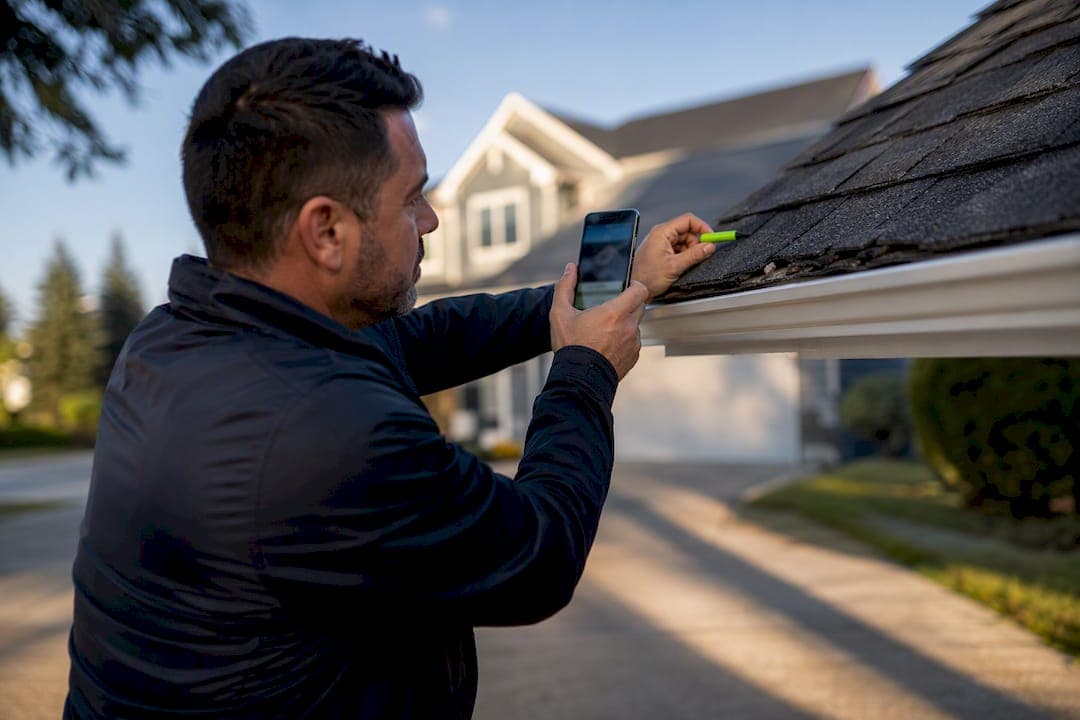
A denied roof claim is often reversible if you address the insurer's exact stated reason with fresh, independent evidence. Get the denial in writing first, then schedule an independent inspection from a licensed contractor or engineer who can document cause and tie the damage to a specific storm date. That one-step drives almost everything that follows.
TL;DR:
- Gathering independent documentation that directly links storm damage to specific impact signatures can overturn a denial based on wear and tear.
- A detailed line-item repair estimate, organized by roof slope and storm date weather data, strengthens your case when damage appears below the deductible threshold.
- Filing a formal appeal involves addressing each denial reason with new evidence and requesting a re-inspection by a senior adjuster, usually within 30 days.
- For disputes over damage costs, invoking the appraisal clause can provide a binding resolution, but it often costs several thousand dollars depending on claim complexity.
- Keeping thorough pre-storm records, timely reporting, and organized photos can prevent future claim denials and streamline the appeals process.
Table of Contents
- Why Insurers Commonly Deny Roof Claims
- What to Do in the First 30 Days After a Roof Claim Denied Notice
- How to Build an Evidence File That Changes an Adjuster's Mind
- Appeal Letter vs. Appraisal Clause: Which One Applies?
- When a Public Adjuster or Attorney Is Worth the Cost
- Filing a State Insurance Complaint or Considering Litigation
- Recordkeeping Habits That Prevent Future Roof Claim Denials
- A Roofer's View on Fighting a Denied Claim
- How Am Exteriors Helps After a Roof Claim Denied Letter Arrives
- Sources
- FAQ
Why Insurers Commonly Deny Roof Claims
Insurers rely on a handful of stock reasons, and each one calls for a different rebuttal. Knowing which category your denial falls into tells you exactly what evidence to gather next.
- Wear and tear or age: the adjuster claims your roof failed because it's old, not because of a storm. Counter this with an inspection report that isolates impact signatures from weathering patterns.
- Pre-existing damage: the insurer says the damage predates your policy or a prior claim. Dated photos from before the storm, or a home inspection report from your purchase, become your strongest tool here.
- Cosmetic exclusions: some policies exclude cosmetic hail marks that don't affect function. Read the exact exclusion language, since many policies still cover damage that compromises the roof's ability to shed water.
- Missed notice deadlines: you reported the damage too late under your policy's timeframe.
- Insufficient documentation: the adjuster couldn't connect your damage to a covered event.
- Damage scoped below deductible: the adjuster's estimate puts repair costs under your deductible, so the insurer pays nothing.
That last category is often actually underpayment, not a true denial, and the distinction changes your entire strategy. A coverage denial needs an appeal. A valuation dispute, where the insurer agrees damage exists but disagrees on cost, calls for appraisal or a supplemental estimate instead.
What to Do in the First 30 Days After a Roof Claim Denied Notice
The clock starts the moment you receive that denial letter, and most of what you do in the following weeks determines whether your appeal has teeth.
- Request the written denial and the policy clause. Insurers must cite specific language when they deny a roof claim. If the letter is vague, ask in writing for the exact clause and reasoning.
- Request your complete claim file. This includes adjuster notes, photos, and the scope sheet used to calculate the payout. Send this request by certified mail if your insurer has been slow to respond.
- Document the roof's current condition. Take date-stamped photos and video of every affected slope, plus any interior leak evidence like ceiling stains or attic water marks.
- Pull any pre-storm documentation you have. Old listing photos, a home inspection report, or previous maintenance records all help establish the roof's condition before the loss.
- Get weather data for the exact date of loss. Hail swath maps and storm reports build the timeline that ties your damage to a specific covered event.
Pro Tip: Keep a simple running log with dates, names, and summaries of every call or email with your insurer. Adjusters change files hands more often than homeowners expect, and a clean paper trail keeps the next reviewer from starting over from scratch.
How to Build an Evidence File That Changes an Adjuster's Mind
The single biggest lever in reversing a roof claim denial is a credible independent inspection. Adjusters see hundreds of claims a season, and a rushed initial visit sometimes misses impact signatures that a specialist catches immediately.
A strong inspection report documents round bruising, mat fractures, and localized granular loss, then explicitly contrasts those patterns against normal age-related weathering. That comparison directly undercuts a "wear and tear" denial because it shows the reviewer what storm damage looks like versus what aging looks like on the same roof.
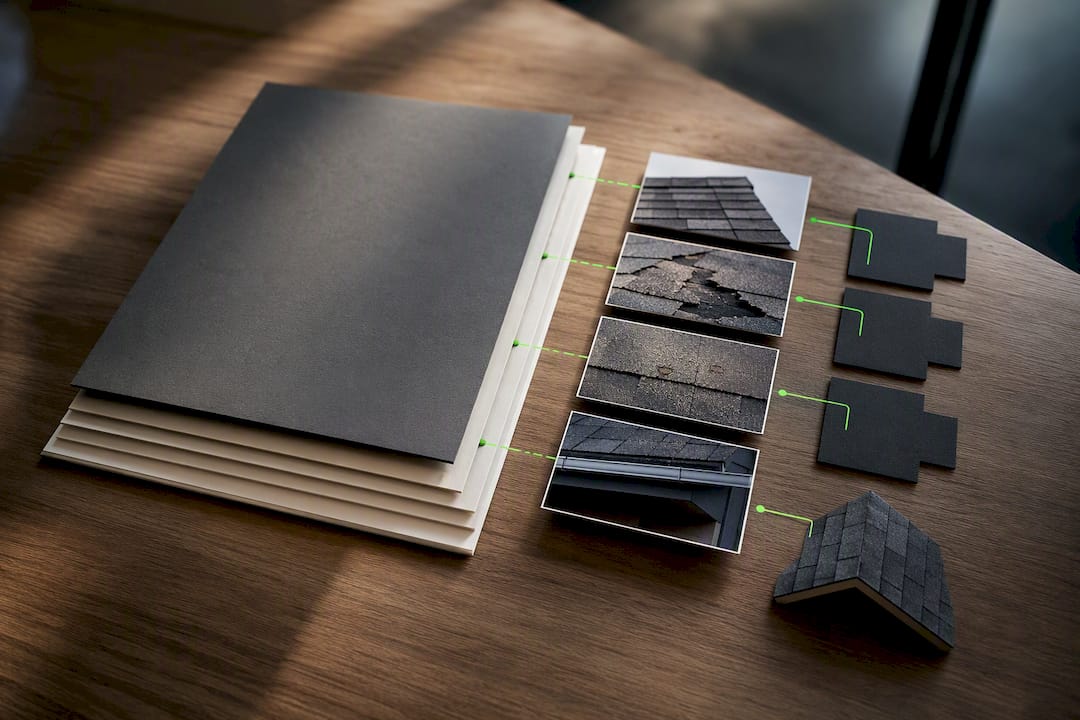
- Dated photos organized by roof slope, with close-ups of each impact point.
- A written inspector's report describing damage type, location, and likely cause.
- A line-item estimate, built the way commercial adjusters build theirs, broken out by slope and code-required upgrades.
- Weather verification pulled from the National Weather Service or a commercial hail and wind report for your address and date.
That line-item estimate matters more than most homeowners realize. When an insurer argues your damage sits below the wind or hail deductible, a detailed independent estimate broken out by slope can show the real repair cost clears that threshold, forcing the carrier to re-scope the claim entirely.
Package everything into one packet, with a cover letter that answers each specific point in the denial letter, in order, using the new evidence to counter it directly.
Appeal Letter vs. Appraisal Clause: Which One Applies?
Once your evidence file is ready, you have two formal paths, and picking the wrong one wastes weeks.
- Write the formal appeal. Address every point in the denial letter one by one. Attach your independent inspection, photos, and weather data. Explicitly request re-inspection by a senior adjuster or claims manager, not the original reviewer. Set a firm deadline, typically 30 days, for a written response.
- Invoke the appraisal clause when the dispute is about amount, not coverage. Each side appoints an appraiser, the two appraisers select a neutral umpire, and the panel decides the payout amount. It's binding once two of the three agree.
- Weigh the cost against the claim size. Appraisal typically costs several thousand dollars depending on complexity. depending on umpire fees and how contested the case is, and costs sometimes split per your policy language.
The decision rule is straightforward: a true coverage denial (the insurer says nothing is covered at all) goes through appeal, and escalates to a regulator complaint if that fails. A valuation dispute (the insurer agrees there's damage but disagrees on cost) goes through appraisal or a supplemental estimate. Some claims genuinely need both tracks running at once, particularly when a denial letter mixes a coverage argument with a lowball scope.
When a Public Adjuster or Attorney Is Worth the Cost
A public adjuster works for you, not the insurer, and typically charges a percentage of the settlement. They earn that fee back on large or complex claims where scope disagreements run deep, or when an insurer has gone silent for weeks with no clear next step.
An attorney becomes relevant when you see signs of genuine bad faith: the insurer keeps shifting its stated reason for denial, ignores your written appeal entirely, or continues stonewalling even after a regulator complaint. Before hiring either one, verify their license, ask for references from similar roof claims, and get fee terms in writing before they touch your file.
- Public adjusters: percentage-based fee, best for complex or large-dollar claims.
- Attorneys: hourly or contingency, best when bad faith is documented.
- Always confirm state licensing before signing anything.
Pro Tip: Ask any public adjuster or attorney for two references from claims similar in size and cause to yours. A specialist who's fought wind claims for years may not be the right fit for a hail-specific dispute, and vice versa.
Filing a State Insurance Complaint or Considering Litigation
A complaint to your state's Department of Insurance doesn't force a payout, but it creates a documented file the carrier has to answer. Most states require insurers to respond to DOI inquiries within 15 to 30 days, which often moves a stalled claim faster than another phone call ever will.
- File a complaint when your appeal has been ignored or the denial letter cites no specific policy clause.
- Use it as leverage, not a payment mechanism. The DOI investigates conduct, not individual claim amounts.
- Consider bad-faith litigation only when you have a documented pattern: shifting justifications, missed deadlines on the insurer's side, or refusal to reconsider after regulator pressure.
- Weigh legal costs against your claim size. Litigation makes sense on larger losses; for a modest roof repair, appraisal or a regulator complaint usually resolves it faster and cheaper.
Recordkeeping Habits That Prevent Future Roof Claim Denials
The homeowners who win appeals fastest are usually the ones who had documentation ready before the storm ever hit. Missing pre-storm photos and maintenance records is one of the most common gaps insurers exploit in a denial.
- Take baseline photos of your roof every year, ideally after any inspection or maintenance visit.
- Keep receipts for repairs, gutter cleaning, and any preventive work.
- Log emergency mitigation steps immediately: tarping, temporary repairs, dated photos, and receipts.
- Report storm damage promptly. Waiting weeks to call it in is one of the easiest ways to hand an insurer a deadline-based denial.
- Choose a contractor who documents damage the way carriers expect, since storm-specific documentation at the time of loss makes any later dispute far easier to win.
A Roofer's View on Fighting a Denied Claim
I've watched a "wear and tear" denial get reversed simply because a homeowner brought in an independent inspection that laid impact bruising next to a photo of genuinely weathered shingles on the same slope. The visual comparison did more work than any argument in the appeal letter.
Three things I ask homeowners to request the moment they call a contractor after a denial: a written inspection report that names the specific damage type, dated photos organized by roof slope, and a line-item estimate broken out the way an adjuster's own software would read it. Skip any of those three, and your appeal starts from a weaker position than it needs to.
— Heather
How Am Exteriors Helps After a Roof Claim Denied Letter Arrives
An experienced exterior home improvement contractor provides independent roof inspections that document impact signatures slope by slope, repair estimates designed to meet carrier expectations, and documentation packages responding to denial letters point by point.
Before a technician arrives, pull together your original denial letter, any prior claim correspondence, and whatever pre-storm photos you can find. That groundwork lets the inspection focus entirely on separating storm damage from age, which is exactly where most denials fall apart under scrutiny. The contractor also manages repair work once coverage is secured, ensuring continuity between inspection and project completion. If your roof claim denied notice just landed in your inbox, schedule a roof inspection and get an independent assessment on record before your appeal window closes.
Sources
Review the denied vs. underpaid claim distinction, the step-by-step appeal guide, and your state's Department of Insurance resources, plus a contractor vetting checklist before hiring help.
This article is general information, not a substitute for advice from a qualified financial advisor. Consult a qualified financial professional about your own circumstances before acting on anything here.
- What is the difference between a denied and underpaid claim in Texas? | Fitts Law Firm
- Roof Insurance Claim Denied: 2026 Appeal & Reversal Guide | RoofingClaimGuide
- What To Do If Insurance Denied Roof Claim: A Step-by-Step Guide | Payne Law
FAQ
What Should I Do First If My Insurance Denied a Roof Claim?
Request the denial in writing with the specific policy clause cited, then schedule an independent inspection from a licensed contractor or engineer to document the cause and date of damage.
What Are the Most Common Reasons for Roof Claim Denials?
Insurers typically cite wear and tear, pre-existing damage, cosmetic exclusions, missed reporting deadlines, insufficient documentation, or damage scoped below your deductible.
What Should I Avoid Saying to a Roof Insurance Adjuster?
Avoid guessing at the cause of damage, admitting the roof is old or overdue for replacement, or agreeing to a scope before you've reviewed it against your own independent estimate.
How Do I Get a Denied Roof Claim Approved on Appeal?
Submit a written appeal addressing each point in the denial letter directly, backed by independent inspection photos, a line-item estimate, and weather verification for the date of loss, then request re-inspection by a senior adjuster.