
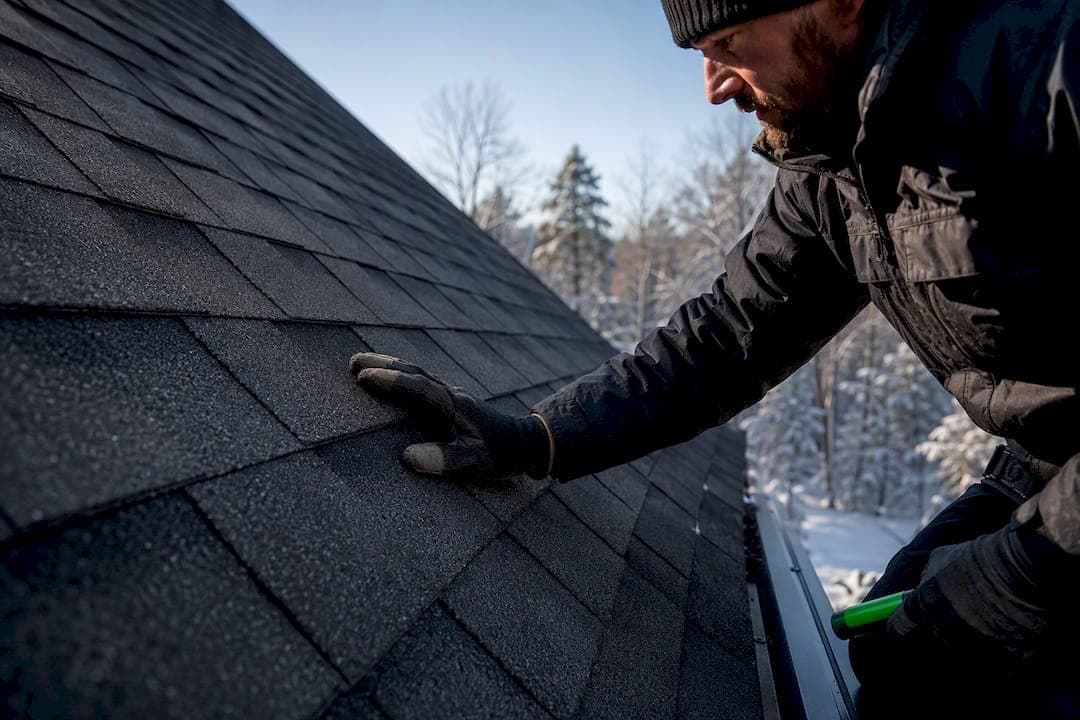
Malarkey shingles are a strong pick for homeowners dealing with hail, freeze-thaw cycles, or wide temperature swings, thanks to NEX polymer-modified asphalt and Class 4 impact ratings on several lines. They tend to disappoint homeowners chasing the widest possible color selection or the rock-bottom price point. Before signing anything, confirm which line your contractor is quoting, whether it's Class 4 rated, and what non-prorated warranty period applies.
TL;DR:
- Malarkey's Vista and Legacy lines are best suited for storm-prone and cold climates due to their impact resistance and flexible NEX polymer-modified asphalt.
- Correct installation, particularly following the Zone nailing pattern and using certified installers, is crucial for warranty validity and performance.
- Homeowners should expect higher costs than basic shingles, with non-prorated warranties lasting 15 to 20 years depending on the product line.
- Impact resistance and cold-weather flexibility are primary advantages, but color selection and installation quality significantly influence satisfaction.
- Proper documentation during installation helps ensure warranty coverage and can expedite insurance claims after storm damage.
Table of Contents
- Malarkey Shingles Review: Comparing the Product Lines
- What Is NEX Polymer-Modified Asphalt, and Why Does It Matter?
- How Do Malarkey Shingles Perform Against Industry Standards?
- What Do the Warranty and Installed Cost Actually Look Like?
- Installation Details That Affect Both Performance and Warranty
- What Are the Real Pros and Cons Homeowners Report?
- Is Malarkey Worth It for Your Roof? A Quick Decision Framework
- An Installer's View: When AM Exteriors Recommends Malarkey
- Get a Malarkey Roof Installed the Right Way
- Sources
Malarkey Shingles Review: Comparing the Product Lines
Malarkey roofing shingles come in four main lines, and the differences between them matter more than most sales sheets let on. Each line targets a different budget and performance need, from entry-level protection to storm-hardened, designer-grade coverage.
- Highlander. The value-tier line, built on standard laminated architectural construction. It's a reasonable option for low-risk climates but doesn't carry the NEX impact upgrades found higher in the lineup.
- Vista. Malarkey's mid-tier workhorse. It's Class 4 impact-rated with a 15-year non-prorated warranty period and both standard (110 mph) and enhanced (130 mph) wind coverage tiers, depending on installation method.
- Legacy (Scotchgard). The premium option, thicker than Vista, Class 4 rated, and built to meet IBHS FORTIFIED roof requirements. It carries a longer 20-year non-prorated period on select offerings, covered in the Legacy product specs.
- Windsor. The designer-profile shingle, styled to mimic slate or shake, with the same impact-resistant technology found in Legacy but a heavier architectural look.
If hail is your main worry, Vista covers most budgets. If you want the longest non-prorated window and FORTIFIED compliance for insurance purposes, Legacy is the better call. Windsor makes sense when curb appeal drives the decision as much as performance does.
What Is NEX Polymer-Modified Asphalt, and Why Does It Matter?
NEX is Malarkey's proprietary rubberized asphalt, blended with polymers instead of relying on the oxidized asphalt used in most budget shingles. Standard oxidized asphalt hardens and grows brittle as it ages, especially in cold climates. Polymer modification keeps the mat flexible across a much wider temperature range, which changes how the shingle behaves under stress.
Malarkey claims: NEX delivers up to 25 to 35 percent greater tear strength and up to 65 percent greater granule retention compared to the ASTM D3462 baseline for standard shingles.
That gap shows up in three practical ways:
- Cracking resistance. A flexible mat resists splitting when temperatures swing from a hot afternoon to a cold night, a pattern that's common across the Upper Midwest.
- Granule retention. Granules that stay embedded protect the asphalt layer underneath from UV degradation for longer, which is part of why polymer-modified shingles tend to outlast standard architectural options.
- Impact absorption. A pliable shingle flexes around hail impact rather than cracking outright, which is the mechanism behind the Class 4 rating on Vista, Legacy, and Windsor.
Independent reviewers back this up with field-level detail: NEX reportedly stays pliable down to negative 40 degrees Fahrenheit, which is the specific claim that makes Malarkey a frequent recommendation for cold-climate roofs.
How Do Malarkey Shingles Perform Against Industry Standards?
The UL 2218 Class 4 impact rating is the headline number, and it's earned through a steel-ball drop test that simulates hail strikes without splitting the shingle mat. Vista, Legacy, and Windsor all offer Class 4 options; Highlander does not carry this rating.
Wind performance follows a two-tier structure that trips up a lot of homeowners:
- Standard wind warranty: 110 mph, achieved with standard nailing per manufacturer instructions.
- Enhanced wind warranty: 130 mph, but only when a certified installer follows Malarkey's enhanced nailing pattern and documents the install.
That documentation matters. If a wind claim comes up later and there's no record showing enhanced installation was actually performed, the insurer or manufacturer has grounds to fall back to the 110 mph standard.
Granule retention and tear strength track the ASTM benchmarks referenced above, ASTM D3462 for the shingle itself, D7158 for wind resistance classification, and D3161 for wind resistance uplift testing. Roofing Insights ran hands-on testing on Vista covering weight, nailing zone accuracy, pull-test adhesion, and coverage consistency, and the shingle held up across those checks.
On lifespan, expect Malarkey shingles to perform in line with other premium architectural products when installed correctly, generally landing in the same range covered in our breakdown of asphalt shingle lifespan. Attic ventilation, roof pitch, and sun exposure all shift that number more than the shingle brand does. A poorly ventilated attic can knock years off any shingle's service life, Malarkey included.
What Do the Warranty and Installed Cost Actually Look Like?
Warranty language is where a lot of homeowners get tripped up, because "limited lifetime" and "non-prorated period" are not the same promise. The non-prorated period is the window where you get full replacement value if a manufacturing defect shows up. After that window closes, coverage prorates down fast.
- Vista: 15-year non-prorated period.
- Legacy: 20-year non-prorated period on select offerings, the longest in the standard lineup.
- Transfers: Malarkey allows one ownership transfer, but only within the "Right Start" window specified in the warranty documentation. Transfer outside that window and coverage drops significantly.
- Enhanced wind eligibility: requires a certified installer and matching Malarkey system components, meaning underlayment and starter strips from the same manufacturer, not mixed brands.
Money term to remember: the non-prorated period, not the "lifetime" headline, is what actually determines your payout if something fails. Labor costs are often excluded from that coverage too, so ask your contractor directly what's included.
Installed costs vary by region and roof complexity, but homeowners should expect to pay a premium over basic three-tab or entry-level architectural shingles, given the thicker mat and Class 4 construction. Tear-off labor, deck repairs from prior storm damage, steep pitch, and multiple roof planes all push the per-square price up regardless of which shingle brand goes on top. Get a written, itemized quote before assuming a number.
Installation Details That Affect Both Performance and Warranty
The single biggest factor in how a Malarkey roof performs over 20 years isn't the shingle. It's whether the installer followed the nailing pattern correctly.
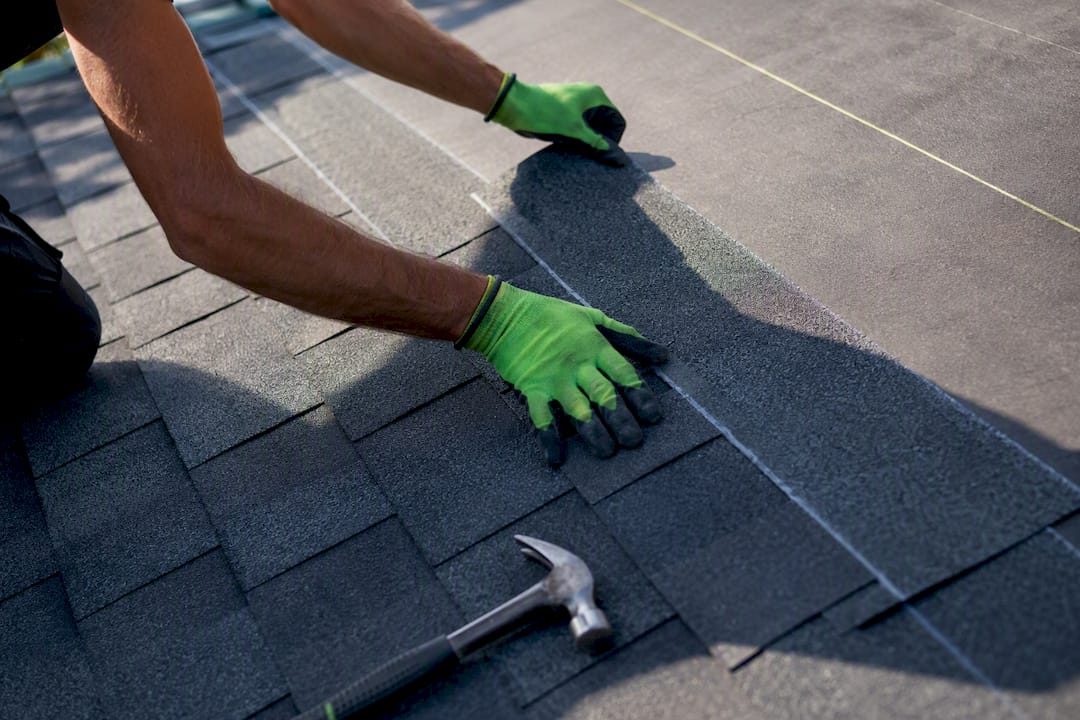
- Learn what "the Zone" means. Malarkey's enhanced nailing area, referred to as the Zone, is a specific band on the shingle where fasteners must land to qualify for the 130 mph enhanced wind warranty. Miss the Zone and you're back to standard 110 mph coverage, whether or not the contractor charged for the upgrade.
- Ask about hot-weather handling. NEX shingles can soften and become tacky in direct summer heat. Malarkey's own technical bulletin on hot-weather installation warns that walking on shingles while they're hot can cause "tracking up," where granules shift or scuff under foot traffic.
- Verify certified installer status. Enhanced wind and some warranty tiers require a Malarkey-certified crew. Ask for proof, not just a verbal assurance.
- Collect documentation as you go. Photos of the nailing pattern before shingles go down, invoices listing the exact product line, and a copy of the warranty registration all matter if you ever file a claim.
Pro Tip: Ask your contractor to photograph the exposed nailing line on a few test shingles before the crew covers the roof. It takes two minutes and gives you proof of enhanced installation if a wind claim ever comes up.
Contractor experience with this specific brand counts for more than general roofing experience. A crew that's installed hundreds of standard three-tab roofs but never touched NEX may not know about heat sensitivity or Zone placement. For a broader hiring checklist, this guide to vetting roofing contractors covers red flags worth watching for before you sign anything, and our own piece on choosing a roofing contractor in Wisconsin walks through region-specific questions to ask.
What Are the Real Pros and Cons Homeowners Report?
Field feedback on Malarkey shingles pros and cons tends to cluster around a few consistent themes, whether it's coming from installer forums or homeowner reviews.
- Hail resistance holds up. Homeowners in hail-prone regions consistently report fewer cracked shingles after storms compared to standard architectural products, which lines up with manufacturer impact testing.
- Cold performance is a genuine strength. Multiple installer reports describe fewer cracking issues on Malarkey roofs after harsh winters versus oxidized-asphalt competitors.
- Color selection can feel limited. Malarkey's more selective distribution network keeps quality control tight but sometimes narrows color availability compared to bigger national brands.
- Heat sensitivity during install trips up inexperienced crews. Most reported "defects" trace back to installation mistakes, like rushed nailing or walking on hot shingles, rather than a problem with the material itself.
- Cost perception runs high. Some homeowners assume Malarkey costs more than it does, when the real premium often comes from the Class 4 construction itself, a cost shared across most impact-rated shingles regardless of brand.
Insurance carriers in hail-prone states increasingly offer premium discounts for Class 4 roofs, and a documented impact rating can also support faster claims processing after a storm. If you're dealing with existing hail damage, that documentation becomes even more valuable during the adjuster process.
Is Malarkey Worth It for Your Roof? A Quick Decision Framework
Run through these questions with your contractor before deciding:
- Does your region see regular hail events? If yes, prioritize Class 4 rated Vista or Legacy.
- Do you experience wide seasonal temperature swings? NEX's cold-flex performance becomes more valuable here.
- Is your budget closer to entry-level or premium? Highlander fits tight budgets; Legacy suits homeowners chasing FORTIFIED compliance.
- Do you want the widest color palette on the market? If so, weigh that against Malarkey's more selective distribution.
- Is your contractor Malarkey-certified? Enhanced wind coverage depends on it.
- Will your insurer discount premiums for Class 4 roofs? Ask before you choose a shingle line.
| Decision Factor | Favors Malarkey | Favors Standard Architectural Shingle |
|---|---|---|
| Hail frequency | High | Low |
| Temperature swings | Wide, cold winters | Mild, stable climate |
| Insurance discount available | Yes | No/unclear |
| Color flexibility needed | Low priority | High priority |
| Budget | Mid to premium | Entry level |
An Installer's View: When AM Exteriors Recommends Malarkey
A local contractor installs Malarkey shingles in this region, noting many homeowners who have experienced hail or harsh winters specifically request NEX. That's not a coincidence. The Class 4 rating and cold-flex performance solve problems this region actually has, not hypothetical ones.
We treat installation as the deciding factor in whether any premium shingle performs the way its warranty promises. That means following the Zone nailing pattern exactly, avoiding hot-weather foot traffic on the roof deck, and registering the warranty correctly the first time, not after a claim gets denied.
Installation typically includes a roof inspection, warranty registration, and documentation support for insurance claims related to storm damage. It's the same process, every project, no shortcuts.
— Heather
Get a Malarkey Roof Installed the Right Way
If you've decided Malarkey fits your climate and budget, the installer you hire matters as much as the shingle line you pick. Professional installers follow recommended nailing patterns and documentation practices to maintain enhanced wind and impact warranties from the start.
Every roofing project through Am-exteriors includes a full inspection, warranty registration handled for you, and direct support navigating insurance claims if storm damage is part of the picture. We also work in siding repair and gutter services if your project extends beyond the roof deck.
Ready to see what a Malarkey roof would cost on your specific home? Request a local roof replacement quote and we'll walk the roof, document what's there, and give you a written estimate before any work starts.
Sources
- NEX polymer-modified (rubberized) asphalt — Malarkey Roofing
- Legacy® Scotchgard™ shingles - Malarkey Roofing Products
- Malarkey Shingles Review (2026): Lines, Specs, Cost, and Warranty — The Roofing Brief