
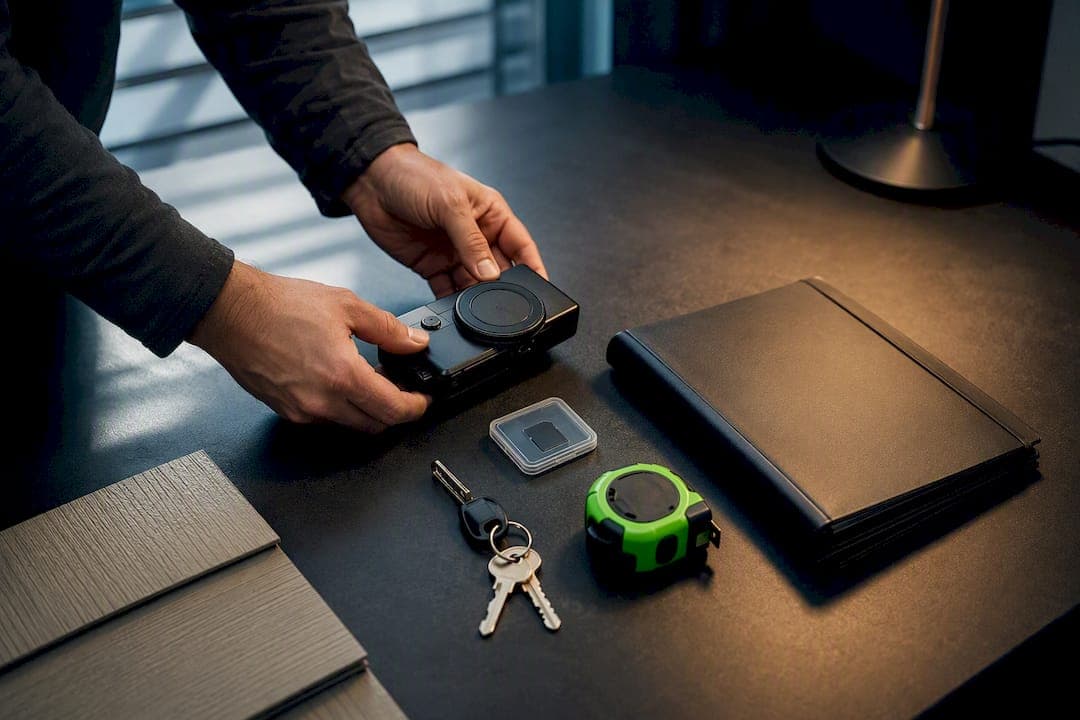
Hail damage is covered when the product is properly installed and maintained. If a storm has already hit your home, your first move is to photograph every elevation, pull together your ownership and installation records, and start a warranty claim or call LP support directly.
TL;DR:
- The LP SmartSide warranty offers full coverage for five years, including labor and materials, provided the siding was installed correctly and maintained properly.
- Hail damage is only covered under warranty if the siding was installed according to LP’s guidelines and sufficiently maintained, with proper documentation of the damage.
- Filing a claim requires detailed photos, proof of ownership, installation date, and a comprehensive documentation folder; missing paperwork delays processing.
- Installation errors do not void the entire warranty but restrict coverage to the specific damage caused by the mistake, making proper documentation vital.
- Homeowners should gather and organize all relevant proof of installation, ownership, and product details in advance to enable efficient warranty claim resolution.
Table of Contents
- What Does the LP SmartSide Warranty Cover?
- Does the Warranty Cover Hail Damage?
- How Do You File an LP SmartSide Warranty Claim?
- What Voids or Limits LP SmartSide Warranty Coverage?
- How Long Does LP SmartSide Last With Proper Maintenance?
- AM Exteriors' Approach to Warranty-Ready Installations
- Can You Transfer an LP SmartSide Warranty to a New Homeowner?
- What's the Timeline for Resolving an LP SmartSide Warranty Claim?
- Manufacturing Defect or Installation Error: Who's Responsible?
- Who Do You Contact for LP SmartSide Warranty Questions?
- What Homeowners Get Wrong About This Warranty
- If You Want Professional Help With Installation or a Hail Claim
- Sources
What Does the LP SmartSide Warranty Cover?
The LP SmartSide 5/50 limited warranty splits into two distinct periods, and the difference between them trips up a lot of homeowners who assume "50-year warranty" means full replacement value for five decades.
That means if a board fails because of a manufacturing issue, LP pays to replace it and pays for the work to install the replacement. No prorating, no deductions.
After that window closes, you move into the 50-year prorated period. LP still covers material costs, but the percentage LP reimburses shrinks as the siding ages. Prorated coverage works like a depreciating asset: the older your siding is when a claim is filed, the smaller the check. Labor costs during this stretch generally fall to the homeowner.
A few things worth flagging before you assume your coverage matches a neighbor's:
- ExpertFinish and other prefinished SmartSide products often carry separate warranty documents covering the factory-applied coating, distinct from the substrate warranty.
- Coverage terms have shifted across product generations, so a board installed a decade ago may fall under different language than what's published today.
- Always pull the exact PDF for your specific product line rather than relying on general summaries, including this one.
The safest habit is matching your installation date and product code to the correct literature before you assume anything about your coverage tier.
Does the Warranty Cover Hail Damage?
LP states that SmartSide siding resists hail impact by design, and the company has formally extended warranty coverage to hail damage on covered products, provided the siding was installed and maintained according to LP's published instructions.
That last clause matters. Hail coverage isn't unconditional. LP's own materials tie protection to correct installation and reasonable upkeep, so a claim can hinge on whether nailing patterns, clearances, and finishing steps matched the installation guide. This is one more reason to verify the specific warranty PDF for your product rather than assume every SmartSide line carries identical hail terms.
Statistic Callout: LP's 5/50 limited warranty pairs 5 years of full labor and material coverage with 50 years of prorated material coverage, and hail damage falls under this same structure when installation and maintenance requirements are met.
If a hailstorm hits your roof and siding, act before debris gets cleaned up or repairs start:
- Photograph every full elevation of the house, not just the damaged section.
- Take close-up shots of individual dents, cracks, or granule loss, with something for scale in the frame.
- Contact your insurer promptly and keep a copy of the claim number.
- Set aside a few damaged siding pieces if it's safe to do so. Adjusters and LP reviewers sometimes want physical samples, not just photos.
Rushing a cleanup before documentation is complete is the single most common reason homeowners end up with a weaker claim than the damage actually justifies.
How Do You File an LP SmartSide Warranty Claim?
LP's claims process runs on documentation. Missing paperwork is the most common reason a straightforward claim drags on longer than it should.
- Gather full-view photos of each side of the house showing overall condition.
- Take close-up photos of the specific damage or defect, labeled by location if you have multiple problem areas.
- Prove ownership with a deed, mortgage statement, property tax report, or utility bill.
- Prove the installation date using a certificate of occupancy, building permit, purchase receipts, or a builder's letter.
- Submit through the LP claims portal or by phone, and keep a copy of everything you upload.
If you don't have original installation receipts, LP accepts a contractor letter on company letterhead that includes a license number and project dates. That single document has saved plenty of claims from stalling out.
Pro Tip: Organize your files into one folder before you start the online submission. LP's system moves faster when photos are labeled by elevation ("north side," "front porch") instead of generic filenames like IMG_4821.
Once submitted, LP typically reviews the documentation and follows up if anything is missing or unclear.
What Voids or Limits LP SmartSide Warranty Coverage?
A common misconception is that one installation mistake wipes out the entire warranty. It doesn't work that way. LP's own language clarifies that incorrect installation generally limits coverage only for the specific damage tied to that error, not the whole product.
Still, certain conditions can narrow or eliminate coverage on a given section:
- Improper handling or storage of siding before installation.
- Unauthorized modifications to the product after it's installed.
- Failure to follow LP's published installation instructions for nailing, spacing, or flashing.
- Jobsite waste and offcuts that fall outside standard coverage disclaimers.
Builders and homeowners protect themselves by keeping a paper trail: a signed job acceptance form, copies of permits, and itemized contractor receipts. If a dispute ever comes up over whether damage stemmed from a manufacturing defect or an installation error, that documentation is what settles it.
How Long Does LP SmartSide Last With Proper Maintenance?
SmartSide is built to go decades between major service issues, but "low maintenance" doesn't mean "no maintenance." LP's care and installation literature lays out cleaning and upkeep steps that directly affect both appearance and warranty standing.
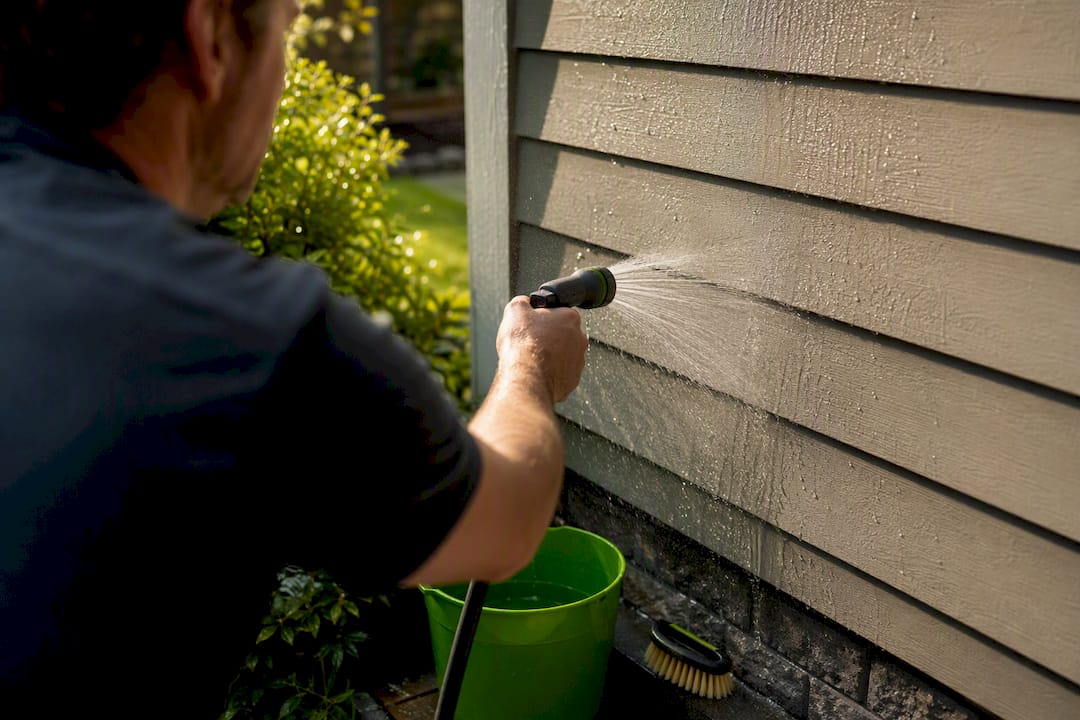
Primed SmartSide typically needs repainting on a longer cycle than many traditional wood sidings, while ExpertFinish prefinished products come with their own coating-specific care instructions and repaint expectations. Skipping recommended cleaning or ignoring early signs of moisture damage can turn a minor issue into a claim LP is less inclined to cover.
A short list of habits that pay off:
- Rinse siding periodically to remove dirt, pollen, and mildew buildup.
- Address caulking gaps or loose trim promptly instead of waiting for a bigger repair.
- Follow ExpertFinish-specific cleaning guidance rather than generic siding advice.
- Repaint on the schedule your product literature recommends, not just when it looks faded.
For a broader look at how SmartSide performs over time, this homeowner review of long-term durability covers what to expect a decade or two into ownership. A painting and repainting guide can also help you plan a repaint cycle that keeps coverage intact.
AM Exteriors' Approach to Warranty-Ready Installations
AM Exteriors has extensive experience installing exterior products and finds that most warranty disputes stem from workmanship issues rather than defective materials. That's why documentation is built into every job, not added after a problem appears.
Every project gets a photo log by elevation, contractor letterhead receipts, and copies of pulled permits. Those records line up directly with what LP requests during a claim review. When a hailstorm damages siding, AM Exteriors helps homeowners assess the damage, walks through the insurance claim process, and prepares the paperwork LP requires for submission. AM Exteriors doesn't promise a specific claim outcome. What it promises is a file that's complete the first time.
Can You Transfer an LP SmartSide Warranty to a New Homeowner?
Selling a house with SmartSide siding doesn't automatically strand the next owner without protection. Warranty terms for building products like SmartSide are generally structured to carry forward with the property, though the specific transfer conditions and any required notice period live in the limited warranty document tied to your product line.
Before closing on a sale, pull together the same documentation a claim would require: proof of the original installation date, any contractor letters or permits, and the specific warranty PDF for the installed product. Handing that folder to the buyer, or at minimum pointing them to it, prevents a future claim from stalling out because nobody can prove when the siding went up.
Builders selling new construction should treat this as part of the closing paperwork, not an afterthought. A certificate of occupancy or permit record that's easy to find years later is worth far more than a verbal assurance that "the siding is still under warranty." If you're a current homeowner unsure whether your warranty transferred cleanly when you bought the house, checking with LP directly, and having your product's exact warranty document in hand, resolves the question faster than guessing.
What's the Timeline for Resolving an LP SmartSide Warranty Claim?
LP doesn't publish a fixed number of days for claim resolution, and timelines vary based on how complete your initial submission is. A claim with every required photo, ownership document, and installation proof attached from the start moves through review faster than one missing pieces LP has to request separately.
After you submit through the claims portal, expect an initial review of your documentation, followed by a determination on whether the damage falls under covered terms. If LP needs additional photos or clarification, that back and forth adds time, which is exactly why organizing files by elevation and labeling damage clearly at submission matters more than it sounds like it should.
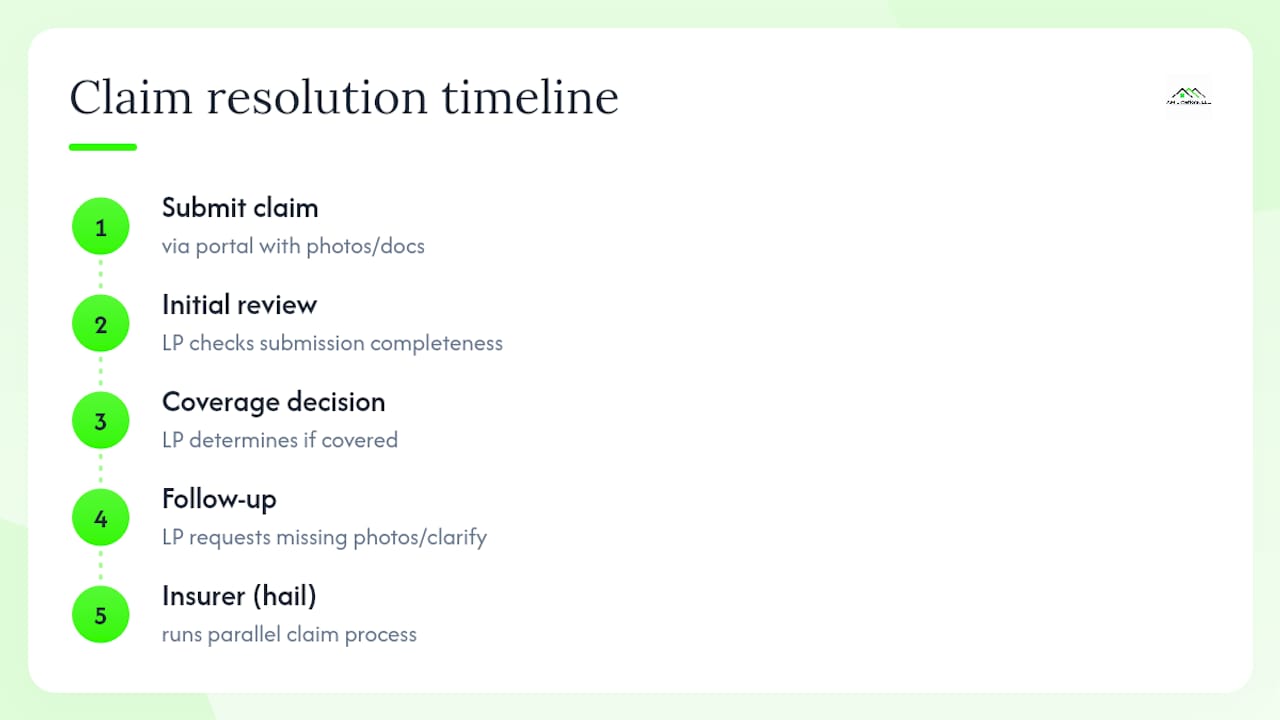
For hail claims specifically, working with your insurer on the same timeline as your LP claim tends to keep both processes moving in parallel rather than one holding up the other. Homeowners who wait weeks after a storm to start documentation often find the timeline stretches further, simply because the damage is harder to verify without fresh evidence.
Manufacturing Defect or Installation Error: Who's Responsible?
This distinction decides more claims than any other single factor. LP's warranty covers material and workmanship defects in the product itself. It does not automatically cover damage caused by how the siding was installed.
When a claim comes in, the underlying question LP is really asking is whether the failure originated in the board or in the build. A warped panel with no impact damage and no installation anomalies nearby points toward a manufacturing issue. A cracked section clustered around improper nailing or missing flashing points toward installation. LP's language on this is direct: an installation mistake limits coverage for the damage that mistake caused, rather than canceling the warranty on the entire house.
This is precisely why documentation from a qualified installer carries so much weight. A contractor who followed LP's published installation instructions, kept records of the work, and can produce permits and receipts gives LP a clean basis to attribute a failure to the product rather than the build. Homeowners who hired unlicensed or undocumented labor have a much harder time making that case, even when the underlying problem really was a manufacturing defect.
Who Do You Contact for LP SmartSide Warranty Questions?
Start with LP's official warranty claims page, which handles both new claim submissions and status questions on existing ones. That page also links to the phone support line LP maintains for claims that need a direct conversation rather than a portal upload.
For questions about which warranty document applies to your specific product, the LP product literature library is the fastest way to find the exact PDF matching your installation. Search by product name and category, and download the version that matches your siding's manufacture date, since terms have evolved across product generations.
If you're a homeowner working with a contractor on a hail claim, your installer can often speak with LP support directly using project records they already have on file, which tends to move things faster than starting from scratch on your own.
What Homeowners Get Wrong About This Warranty
The biggest misread on LP SmartSide's warranty isn't about the fine print. It's about timing. Homeowners tend to treat the warranty as a safety net they'll figure out later, after damage happens. That's backwards. The paperwork that actually wins a claim, proof of installation date, ownership records, a contractor's documentation, needs to exist before you ever need it.
Conventional advice on siding warranties stops at "read the fine print." That's necessary but not sufficient. The real leverage point is workmanship documentation, and most guides barely mention it. LP's own language is clear that an installation error limits coverage narrowly rather than voiding everything, but that protection only works if someone can prove the installation was done correctly in the first place.
If you take one thing from all of this: don't wait for a storm to start a folder. Pull your installation date, your contractor's paperwork, and your product's specific warranty PDF now, while it's easy. Homeowners who do this file cleaner claims and wait less on follow-up requests than those scrambling after the fact.
— Heather
If You Want Professional Help With Installation or a Hail Claim
Getting warranty-ready coverage starts with getting the installation right the first time. Am-exteriors installs LP SmartSide, James Hardie fiber cement, and vinyl siding across Southeast Wisconsin, and every job includes the kind of documentation, photo logs, permits, contractor letterhead receipts, that LP's claims process actually asks for.
If a hailstorm has already damaged your siding, waiting to document it costs you leverage with both your insurer and LP. Am-exteriors handles hail damage assessment and siding repair and walks homeowners through the insurance claim process alongside the LP warranty submission, so you're not managing two separate paperwork trails on your own. Reach out for an inspection and get a written assessment of the damage before you decide on next steps.