
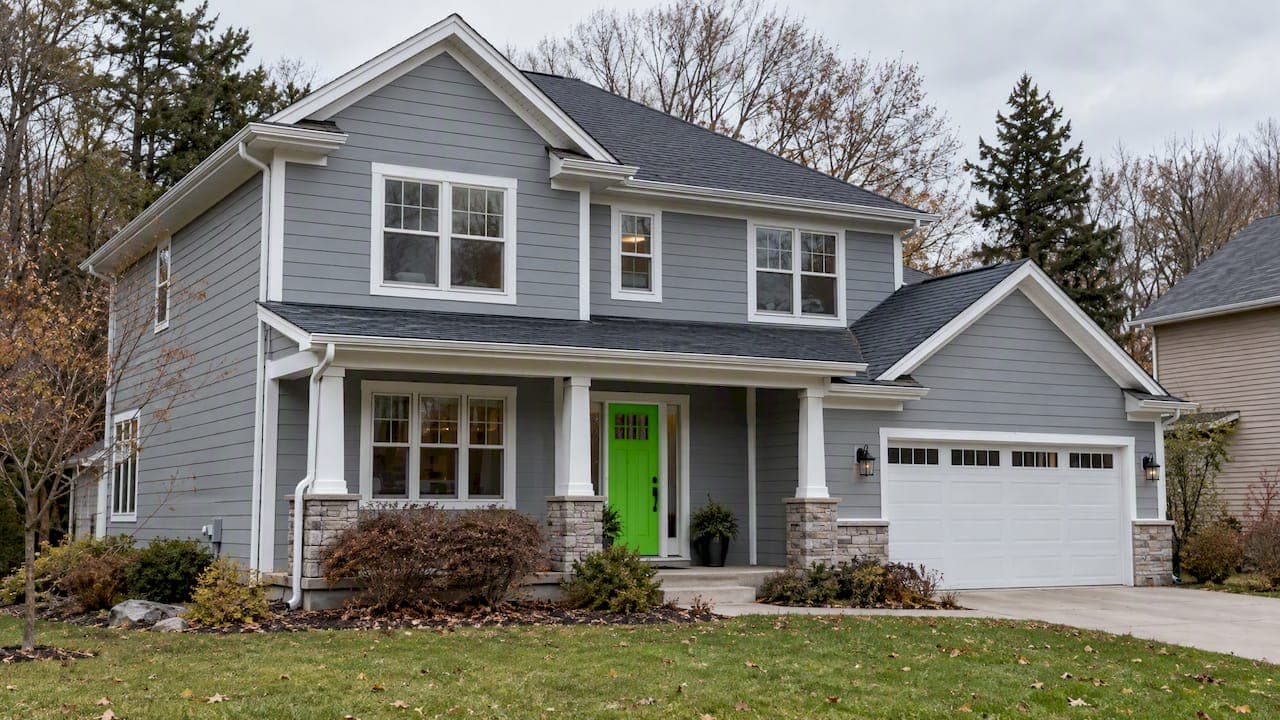
James Hardie siding on a Wisconsin home usually costs $25,000 to $45,000 installed, according to our published pricing for full-house projects. National averages are lower and wider. This Old House reports a $10,980 to $34,075 range for an average James Hardie project. Your price depends on home size, wall complexity, tear-off, repairs and trim.
TL;DR
- Our published range for James Hardie siding is $25,000 to $45,000 per project. Vinyl is $12,000 to $20,000. LP SmartSide is $18,000 to $32,000.
- Home size is the biggest factor. A small ranch and a complex two-story can differ by more than double in siding squares.
- A good estimate lists tear-off, sheathing repair, wrap, flashing, trim, soffit, fascia and cleanup as separate lines.
- James Hardie offers a 30-year, non-prorated limited warranty on its fiber cement siding, soffit and trim. Installation quality decides whether the siding performs.
- Get at least two written quotes with the same scope. Compare the scope first and the total second.
Table of Contents
- What James Hardie siding costs in Wisconsin
- What moves the price
- What a James Hardie estimate should include
- James Hardie vs. vinyl and LP SmartSide
- Our perspective
- Get a James Hardie price for your home
- Installation details that protect your investment
- How to compare siding quotes
- Planning around the Wisconsin seasons
- FAQ
- Sources
What James Hardie siding costs in Wisconsin
These are the project ranges we publish for full siding replacement. They are one-off prices for the whole job, not per-square-foot rates.
| Siding type | Typical project range |
|---|---|
| Vinyl siding | $12,000 to $20,000 |
| LP SmartSide | $18,000 to $32,000 |
| James Hardie fiber cement | $25,000 to $45,000 |
See the full breakdown on our Wisconsin siding replacement cost page.
The ranges are wide on purpose. A 1,400 square foot ranch with simple walls sits near the low end. A two-story home with dormers, gables, bump-outs and a lot of trim sits near the high end.
Outside figures vary too. This Old House gives $10,980 to $34,075 for its average James Hardie project, and it says labor, product style, home size, removal, preparation and installation height all change the final number. Online per-square-foot figures differ because each source assumes a different house and scope. Use them as a rough guide only. A written quote for your house is the only number that counts.
What moves the price
Home size and wall complexity
Siding is measured in squares. One square covers 100 square feet of wall. This Old House gives the example that a 1,500 square foot ranch may need 12 to 15 squares, while a complex 3,000 square foot two-story home may need 25 to 30 or more.

That gap is why two neighbors can get very different quotes. Walls with many corners, windows and doors take more cutting, more trim and more labor per square.
Height and access
Second-story and gable work takes more time. It needs staging or lifts and more careful handling of heavy boards. Installation height is one of the factors that raise the final price.
Style and trim
Hardie Plank is the classic lap siding. Hardie Panel comes in 4-by-8-foot sheets. It can be paired with Hardie Trim boards for a board-and-batten look, and Plank can complement it. Mixing profiles adds material and labor. So do shake accents in gables and upgraded window and door trim.

Tear-off and repairs
Old siding has to come off before new siding goes on. James Hardie notes that during preparation contractors remove existing siding and address problems they uncover, including repairing or replacing sheathing. You cannot know how much rot exists until the old siding is off. Ask how the contractor prices sheathing repair so it does not become a surprise.

Soffit, fascia and gutters
Siding meets the roofline. If soffit, fascia or gutters are worn, it makes sense to fix them in the same project. We offer trim, soffit and fascia packages for this reason.
What a James Hardie estimate should include
A clear estimate shows what you are paying for. Look for these lines.
- Tear-off and disposal. Removal of the old siding and haul-away.
- Sheathing repair. A stated unit price for replacing damaged boards, if they are found.
- Weather barrier and flashing. House wrap, window and door flashing, and sealing at every penetration.
- Siding product and color. The exact line, profile and finish, such as Hardie Plank in a named color.
- Trim and corners. Material, size and finish.
- Soffit, fascia and gutter work, if included.
- Permits and cleanup. Who pulls the permit and how the site is left.
- Warranty terms. Both the manufacturer warranty and the contractor's workmanship warranty.
James Hardie suggests comparing quotes on initial cost, labor, repairs, future maintenance and weather durability. It also suggests checking the contractor's product knowledge, license and insurance. A low total with a vague scope usually means something is missing from it.
James Hardie vs. vinyl and LP SmartSide
The price gap is real. On our published ranges, James Hardie costs roughly twice what premium vinyl does at the top of each range. What you get for the difference depends on what you want from the wall.
- Vinyl has the lowest upfront price. It suits budget-driven projects and homes where a quick refresh is the goal.
- LP SmartSide is an engineered wood siding. It sits in the middle on price and installs with a lighter board than fiber cement.
- James Hardie is fiber cement. James Hardie says it is up to five times thicker than vinyl and built to stand up to weather. It is the choice for owners who want a heavy, durable board and a long manufacturer warranty.
For a side-by-side look at all three on Wisconsin homes, read our LP SmartSide vs. vinyl vs. James Hardie comparison. To see all the siding options we install, go to our siding services page.
Warranty
James Hardie provides a 30-year, non-prorated limited warranty on its fiber cement siding, soffit and trim. Read the warranty terms before you sign. They include installation requirements, and poor installation can put coverage at risk.
Weight and handling
Fiber cement is heavy. It takes more labor to carry, hold and fasten than vinyl, which is part of why the installed price is higher. Cutting it also creates dust, so the crew should use the right cutting methods. We cover this in our article on fiber cement siding and silica dust.
Our perspective
Most siding problems we see were not caused by the board. They were caused by the install. Missing flashing, gaps at windows, nails set too deep or too shallow. Any of these lets water in, and water does damage behind the siding where you cannot see it.
That is why we put the install first. Our jobs are owner-supervised. We tell you what we find when the old siding comes off. We document the work with photos, so you can see the wall before it is covered.
If you choose James Hardie, we want the 30-year warranty to mean something. That takes careful prep, proper flashing and the right fasteners. It also takes honest advice. If vinyl or LP SmartSide fits your house and budget better, we will say so.
Wisconsin siding takes wind, hail, heavy snow and wide temperature swings. Pick a product that suits that, then pay for an install that matches it.
Heather
Get a James Hardie price for your home
We install James Hardie, LP SmartSide and premium vinyl siding for homeowners in Southeast Wisconsin, including Dodge, Washington, Fond du Lac and Ozaukee Counties. We also handle storm damage and insurance claim work when hail or wind has hit your siding.
See our siding replacement pricing and request an estimate for your home.
If the roof is also near the end of its life, bundle the work. This Old House notes that bundling roofing, window or gutter upgrades can bring discounts and less disruption. Our roofing services and window replacement pricing show what that can include.
Installation details that protect your investment
The board is only part of the wall. Flashing and a sealed weather barrier keep water out. This Old House notes that proper flashing and precise installation techniques help prevent damage and water issues.
When water gets behind siding, it stays damp. That leads to rot, and on the surface to mold and algae on siding. Shaded north walls and spots near downspouts tend to show it first. Before the job starts, ask the contractor:
- How do you flash windows and doors?
- What house wrap do you use, and how is it lapped?
- How do you handle the bottom edge and corners?
- Who is on site each day?
- How do you document the work before the walls are closed?
A contractor who answers these clearly has done it many times. Our guide on choosing a contractor in Wisconsin lists more questions to ask. It is written for roofing, and the same checks apply to siding.
How to compare siding quotes
- Ask every contractor to quote the same product. Specify the exact line, profile and color.
- Match the scope. Tear-off, wrap, flashing, trim and cleanup should all be priced in each quote.
- Ask about sheathing. Get a unit price for repair so you can compare the total if rot is found.
- Check license and insurance. James Hardie recommends it, and it protects you if something goes wrong on the job.
- Read both warranties. The manufacturer's warranty covers the product. The contractor's covers the work.
- Look at finished jobs. Ask for addresses or photos of James Hardie installs that are a few years old.
- Ask about insurance. If the damage came from hail or wind, tell the contractor before the estimate. We can help with the claim process.
When James Hardie is a good fit
It fits owners who plan to stay in the house for years, want a durable board and are comfortable paying more upfront. It also fits homes where a heavy, solid look suits the style.
When another siding may suit better
If the budget is tight, or you are replacing siding on a house you plan to sell soon, premium vinyl is worth pricing. If you like the look of wood and want a lighter board, price LP SmartSide. A fair estimate compares them for your house.
Planning around the Wisconsin seasons
Siding work is most often scheduled in the warmer months, and good contractors book up. If you want a spring or summer start, ask for estimates in the months before. Ask each contractor how weather delays are handled and how open walls are protected overnight.
If you want ideas for color and style before you get quotes, see our curb appeal siding ideas for Wisconsin homes. If you only need a section fixed after a storm, our siding repair service may cost far less than a full replacement.
FAQ
How much does James Hardie siding cost per square foot in Wisconsin?
Per-square-foot figures vary by source, house and scope, so treat them as rough. We price whole projects, and our published range for James Hardie is $25,000 to $45,000. A written quote for your walls gives the real figure.
How much is a 4-by-8 sheet of Hardie siding?
Hardie Panel comes in 4-by-8-foot panels. The sheet price depends on the supplier and finish. It is also not the installed cost, because labor, wrap, trim and flashing add to it. Ask your contractor for the full installed price.
Is James Hardie siding worth the extra cost?
It can be if you want a heavy, durable board and plan to stay in your home. It carries a 30-year, non-prorated limited warranty on siding, soffit and trim. Installation quality still decides how the wall performs, so pick the contractor as carefully as the product.
What can add to the cost of a James Hardie install?
Tear-off, sheathing repair, extra trim, upgraded windows trim, tall or complex walls and soffit and fascia work all raise the price. Ask for sheathing repair as a unit price so you know the cost before work begins.
Can I bundle siding with a roof or window project?
Yes. Doing the work together can reduce disruption and may bring savings. Tell us what else the house needs and we will quote it as one project.
Sources
- Hardie Board Siding Cost Guide, This Old House
- Re-side Process, James Hardie
- Product Catalog, James Hardie
- The Essential Guide to Board and Batten Siding, James Hardie