
Yes, an impact-resistant roof can lower your homeowners insurance premium, but only if it carries the right rating and paperwork. Insurers base credits on UL 2218 Class 3 or Class 4 impact ratings, and the exact discount depends on your carrier, your state, and your policy wording. There's no single national number.
Do this now:
- Pull up your current shingle warranty or invoice and check for a UL classification label.
- Call your agent and ask directly: "Does my policy offer a credit for Class 4 impact-resistant roofing?"
Reported savings from real-world cases range widely, with some homeowners seeing reductions as high as 33% in specific carrier examples, though most see a more modest single-digit-to-mid-range cut.
Key Takeaways
Impact-resistant roofing lowers insurance premiums only when the product carries a verified UL 2218 Class 4 rating, is fully documented, and is installed as a tear-off rather than an overlay.
| Point | Details |
|---|---|
| Rating is non-negotiable | Insurers require UL 2218 Class 3 or Class 4 certification, not just marketing language. |
| Overlays disqualify credits | A full tear-off installation is generally required for the discount to apply. |
| Savings vary widely | Reported discounts range from modest single-digit percentages up to 33% in specific cases. |
| Paperwork determines approval | Manufacturer labels, invoices, and installation affidavits are what insurers actually review. |
| Am-exteriors documents the install | The company provides labeled products, tear-off installation, and insurer-ready paperwork for Wisconsin roofing projects. |
Table of Contents
- What Qualifies as an Impact Resistant Roof for Insurance Discounts
- Which Insurers and States Offer This Discount
- How Much Can You Save, and What's the Payback Period
- Step-by-Step: How to Qualify and Actually Get the Credit
- What Impact Resistant Roofing Actually Costs
- Why the Contractor's Documentation Matters as Much as the Shingle
- Where to Verify Your Roof's Insurance Discount Eligibility
- Impact-Resistant Roofing Is Risk Management, Not Just a Discount
- Get a Documented, Insurer-Ready Roof Installation
- Frequently Asked Questions
- Sources
What Qualifies as an Impact Resistant Roof for Insurance Discounts
Insurers don't take your word for "impact-resistant." They want a specific, third-party test result. The benchmark is UL 2218, a standard that drops steel balls onto roofing samples from set heights to simulate hailstone impact. Materials are sorted into Class 1 through Class 4 based on how much punishment they absorb without cracking or splitting. Class 4 is the toughest rating and typically earns the largest premium credit, since it represents the highest resistance to impact damage under the test protocol, according to guidance published by the Texas Department of Insurance. Some manufacturers also submit products for FM Global testing, which insurers may recognize alongside or instead of UL certification.
Products commonly carrying Class 4 ratings include:
- Impact-resistant asphalt shingles (often marketed as "IR" or "Class 4" shingles)
- Standing seam and certain stone-coated steel panels
- Select synthetic slate and polymer tile products
Your proof isn't the marketing sticker on the shingle bundle. Insurers want the manufacturer's certification label showing the UL mark, the impact classification, the brand, and the year manufactured, a requirement spelled out in state guidance like Texas's roofing discount rules.
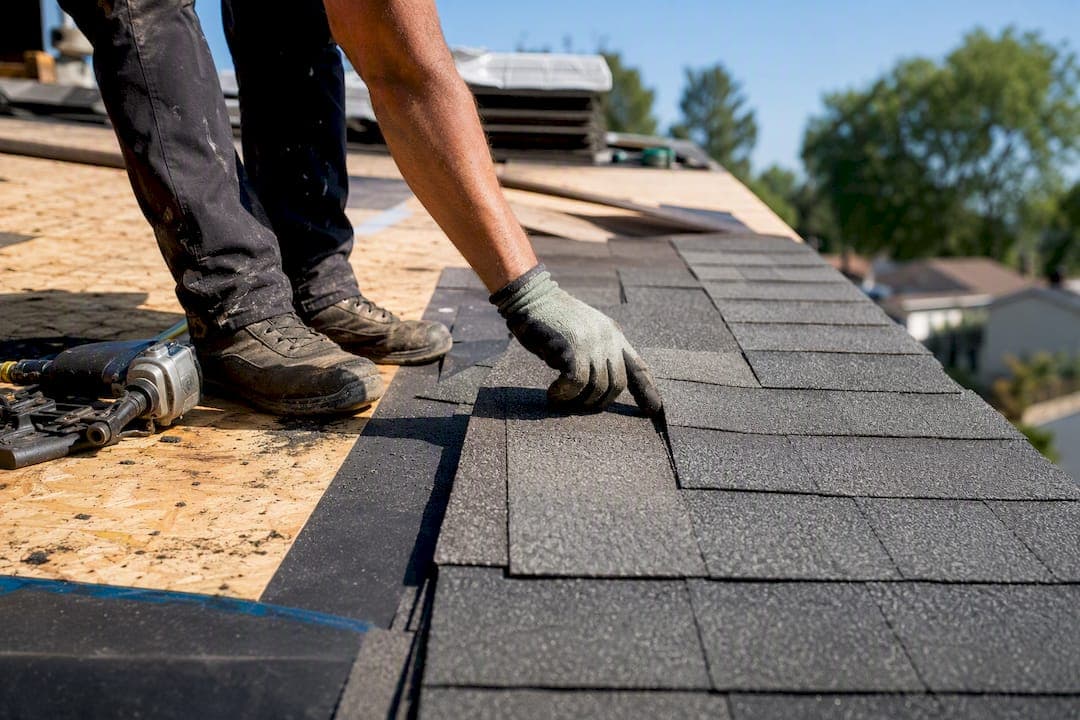
Pro Tip: Never install impact-resistant shingles as an overlay on top of your old roof. Most carriers require a full tear-off to certify eligibility, and an overlay job typically disqualifies the credit entirely.
Which Insurers and States Offer This Discount
Discount availability isn't universal. It varies by carrier, by state, and sometimes by county, especially in hail-prone regions of the Midwest and Plains.
State Farm is a well-known example of a carrier that offers a credit for qualifying products, but it requires homeowners to use pre-approved, properly labeled materials and complete a Roof Installation Information and Certification Form, per State Farm's own discount guidelines. Some states also publish their own approved-product lists. The Texas Department of Insurance maintains one of the more detailed public listings in the country, useful even if you live elsewhere as a model for what documentation regulators expect.
To verify your own eligibility:
- Ask your agent for the carrier's roofing premium credit product list or PDF.
- Check whether your state's department of insurance publishes an approved-materials list.
- Look into voluntary resilience programs like Fortified, which some insurers recognize as evidence of storm-hardening even outside formal Class 4 ratings.
Wisconsin homeowners won't find a state-run product list like Texas's, so the carrier's own eligibility page is usually your most reliable source.
How Much Can You Save, and What's the Payback Period
Discount ranges reported across the industry run from a modest single-digit percentage up to as much as 33% in specific documented cases, though most homeowners land somewhere in between. The credit usually applies only to the wind or hail portion of your premium, not your entire bill, so the real dollar savings depend heavily on how much of your policy that portion represents.
Here's how to estimate whether the upgrade pays for itself:
- Get quotes for both a standard architectural shingle roof and a Class 4 impact-resistant version, and find the price difference.
- Ask your agent for the exact dollar amount of the annual discount, not just the percentage.
- Divide the extra upfront cost by the annual savings to get your payback period in years.
A homeowner paying $3,000 more upfront for Class 4 shingles who saves $250 a year on premiums is looking at roughly a 12-year payback, before factoring in reduced repair costs after storms.
Local hail frequency, the age of your current roof, and your specific insurer's percentage all swing that number significantly.
Step-by-Step: How to Qualify and Actually Get the Credit
Getting the discount approved isn't automatic just because you installed a rated product. It requires a paper trail.
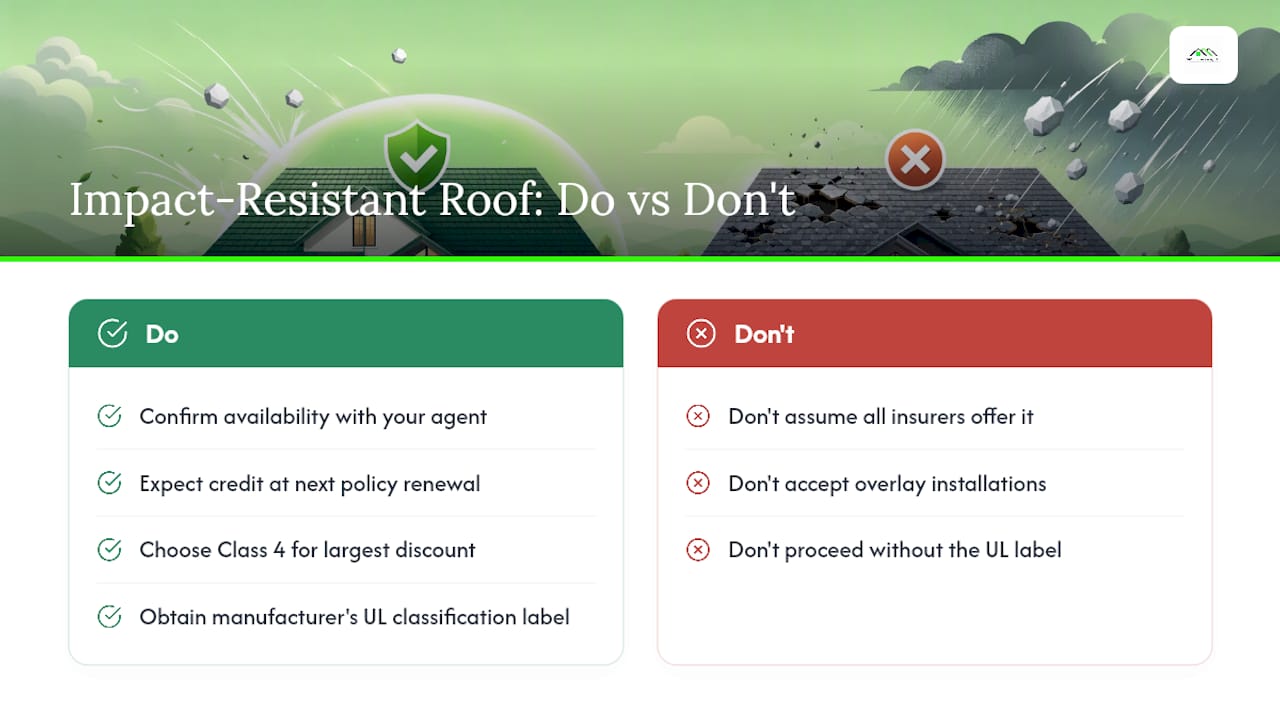
- Confirm eligibility with your agent before you sign a contract, not after.
- Choose a UL 2218 Class 4 (or your carrier's minimum accepted class) product.
- Insist on a full tear-off installation, not an overlay.
- Save the manufacturer's certification label and product data sheet.
- Get a contractor invoice listing the exact product model and installation date.
- Request a signed installation affidavit from your contractor confirming proper installation method.
- Submit everything to your insurer, including any state-required form.
Documents to keep in one folder:
- Manufacturer label/certificate with UL classification
- Itemized invoice showing product model and install date
- Contractor installation affidavit
- Before-and-after photos of the tear-off and new roof
- Any state department of insurance form your carrier requires
Processing time varies by carrier, but most insurers apply the credit at your next renewal once paperwork is verified. Follow up within 30 days if you haven't heard back.
Pro Tip: Ask your agent this exact question: "What specific policy endorsement or form applies this credit, and does it require annual re-verification?" Vague answers usually mean the agent hasn't checked your carrier's actual product list.
What Impact Resistant Roofing Actually Costs
Class 4 impact-resistant shingles cost more upfront than standard three-tab or basic architectural shingles, though the exact gap depends on your market and chosen brand. Labor costs for installation are usually comparable to a standard shingle job, according to industry cost breakdowns from This Old House, but a required tear-off adds both labor and debris disposal costs you wouldn't face with a cheaper overlay.
Watch for these cost traps:
- Overlay quotes that look cheaper but disqualify you from any insurance credit
- Contractors who can't produce a manufacturer certification label
- "Impact-resistant" marketing claims with no UL classification backing them
Pro Tip: Get a written breakdown separating material cost, tear-off labor, and disposal fees. A detailed roof replacement cost estimate makes it much easier to spot where a low bid is cutting corners.
Why the Contractor's Documentation Matters as Much as the Shingle
The product rating gets you in the door. The installation and paperwork get you the check. Am-exteriors builds every Class 4 roofing project around the documentation insurers actually ask for: manufacturer labels, full tear-off confirmation, and an installation affidavit tied to the specific product installed.
What to request from any contractor doing this work:
- A written scope confirming full tear-off, not an overlay
- The manufacturer's certification label and product data sheet
- An itemized invoice listing the exact shingle model
- Photo documentation of the old roof removal and new installation
- A signed installation affidavit for your insurer's file
Am-exteriors also assists homeowners navigating the insurance claims side of storm damage, which matters if your impact-resistant upgrade follows a hail event rather than a routine replacement.
Where to Verify Your Roof's Insurance Discount Eligibility
Check these sources directly rather than relying on secondhand summaries:
- The Texas Department of Insurance roofing discount page shows how one state formally lists qualifying products and label requirements.
- State Farm's homeowners discount page outlines its own certification form and product rules.
- Fortified explains voluntary resilience standards some insurers recognize beyond standard impact ratings.
Your own carrier's product list, available through your agent, is the only document that determines your actual eligibility.
Impact-Resistant Roofing Is Risk Management, Not Just a Discount
The insurance credit is the easy part to quantify, so it gets all the attention. The bigger financial story is what happens after the next hailstorm rolls through your county. A Class 4 roof means fewer emergency repairs, fewer insurance claims filed, and less chance your premium climbs after a claim history builds up. Homeowners who treat the upgrade purely as a rebate chase often skip the documentation step, then lose the discount at renewal because nobody kept the manufacturer's label. Treat the paperwork with the same seriousness as the shingle choice itself, and the long-term payoff extends well past whatever shows up on this year's renewal notice.
Get a Documented, Insurer-Ready Roof Installation
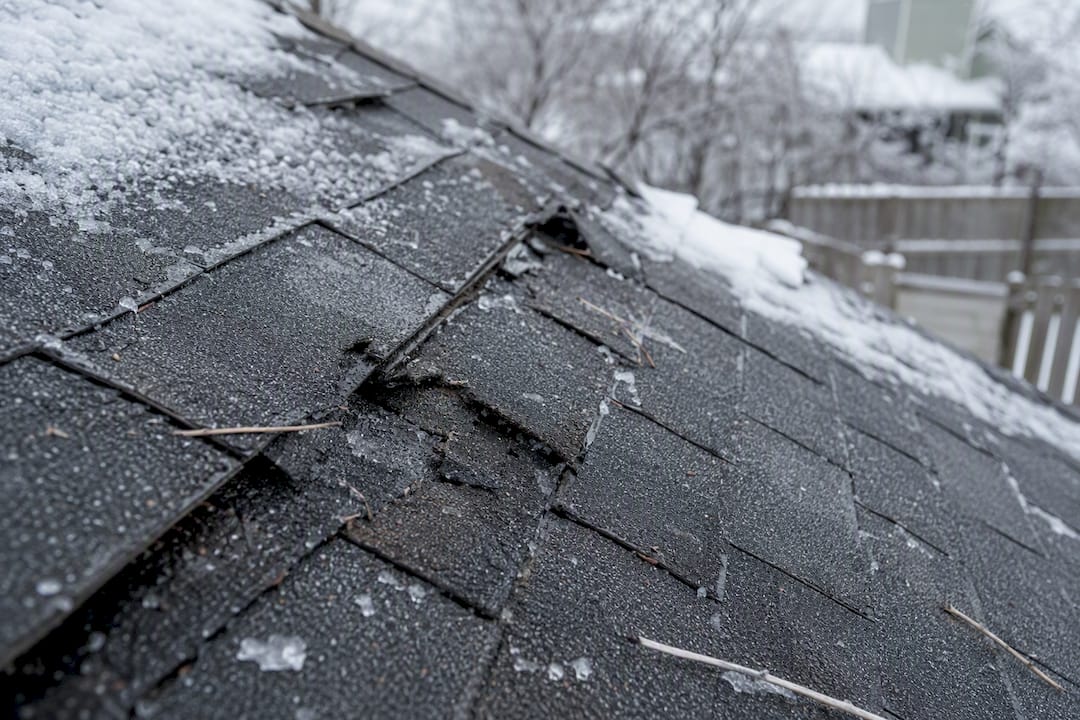
Homeowners in Southeast Wisconsin dealing with hail exposure don't need to guess whether a roofing product will hold up on paper with their insurer. Am-exteriors installs Class 4 impact-resistant shingles with full tear-off, and every project comes with the manufacturer labels, itemized invoices, and installation documentation carriers ask for when reviewing a premium credit request.
If you're weighing a replacement and want to know what qualifies before you sign anything, request a free estimate through the roof replacement services page and ask specifically about Class 4 product options and insurer paperwork support.
Frequently Asked Questions
Does every insurer offer an impact resistant roof discount? No. Availability depends on your carrier and state. Some insurers, like State Farm, publish specific product requirements, while others offer no credit at all. Always confirm directly with your agent.
Will a Class 3 rating qualify, or does it have to be Class 4? Some carriers accept Class 3, but most reserve the largest discount for Class 4 products, since that rating represents the highest tested impact resistance.
Can I get the discount if I install a new roof over my old one? Generally no. Most insurers, including State Farm, exclude overlay installations from premium credits and require a full tear-off, with limited exceptions for certain metal roofing systems.
How long does it take for the discount to show up on my bill? It typically applies at your next policy renewal once your insurer verifies the submitted documentation, though timing varies by carrier.
What if my contractor can't provide a certification label? Don't proceed without one. Without the manufacturer's UL classification label, your insurer has no basis to approve the credit, regardless of how the product was marketed.
This article is general information, not a substitute for advice from a qualified financial advisor. Consult a qualified financial professional about your own circumstances before acting on anything here.
Sources
- Products qualifying for impact-resistant roofing credits
- Homeowner Insurance Discounts to Help You Save - State Farm®
- Fortified
Recommended
- 50% Off! Today Only! How High-Pressure Roofing & Window Sales Tactics Really Work | AM Exteriors Blog
- Why the Cheapest Bid Is Almost Never the Cheapest Roof | AM Exteriors Blog
- Roof Replacement Cost in Wisconsin (2026 Guide) | AM Exteriors
- Repair or Replace? How to Know When Your Wisconsin Roof Is Done | AM Exteriors Blog